

What your glutes really need after 35 (it's not what you think)
Most women over 35 believe their glutes need more squats, heavier weights, or endless cardio sessions. The reality is far different. Research reveals that what your glutes truly require after 35 has less to do with intensity and more to do with strategic targeting, hormonal support, and addressing the specific changes your body undergoes during this life stage.
The Metabolic Shift That Changes Everything
After age 35, your body experiences significant metabolic and hormonal changes that directly impact glute development. Estrogen levels begin fluctuating, affecting muscle protein synthesis and fat distribution. Growth hormone production decreases by approximately 14% per decade after 30, making muscle building more challenging through conventional methods.
These changes mean that the high-volume, high-intensity approaches that may have worked in your twenties become less effective and potentially counterproductive. Your glutes require a more nuanced approach that works with your changing physiology rather than against it.
The Surprising Truth About Glute Needs After 35
Pelvic Floor Integration
The connection between pelvic floor and glutes becomes increasingly critical after 35. Pregnancy, childbirth, and hormonal changes can weaken the pelvic floor, creating compensatory patterns that inhibit proper glute activation. Research demonstrates that strong glutes directly support pelvic floor function, making this integration essential for both performance and long-term health.
When your pelvic floor is compromised, your glutes cannot fire properly, regardless of how many exercises you perform. This relationship explains why many women struggle with glute development despite consistent training efforts.

Mobility Over Intensity
After 35, your glutes need mobility work more than maximum intensity. Sitting for extended periods, hormonal changes, and accumulated movement patterns create hip flexor tightness and glute inhibition. Before your glutes can build strength, they must first regain their full range of motion and activation patterns.
Hip flexor stretches, glute activation exercises, and dynamic movement patterns should precede strength training in every session. This preparatory work ensures your glutes can engage properly during exercises, maximizing effectiveness and preventing compensation patterns.
Strategic Exercise Selection
Research published in the Journal of Sports Science and Medicine reveals that conventional exercises like squats and deadlifts are not optimal for glute development. Hip thrusts activate the gluteus maximus significantly more than traditional compound movements, while step-ups demonstrate the highest levels of glute activation due to their greater range of motion requirements.
The Three Essential Movements for Glutes After 35
Hip Thrusts: The Foundation Movement
Hip thrusts represent the most effective exercise for glute development after 35. Unlike squats, which primarily target the quadriceps, hip thrusts move your hips through full extension, directly targeting the glutes' primary function. Studies show barbell hip thrusts favor greater glute activation compared to conventional exercises.
The movement pattern mimics functional activities while allowing for progressive overload without excessive spinal loading. This makes hip thrusts particularly suitable for women over 35 who may have back concerns or prefer joint-friendly exercises.
Step-Ups: Range of Motion Advantage
Step-up exercises demonstrate superior glute activation compared to squats and deadlifts, primarily due to their extended range of motion requirements. The unilateral nature of step-ups also addresses muscle imbalances common in women over 35.
For optimal glute targeting, maintain a slight forward torso lean and focus on driving through the heel of the working leg. The height of the step should allow your hip to reach approximately 90 degrees of flexion, ensuring adequate glute stretch and subsequent activation.

45-Degree Hyperextensions: The Superior Alternative
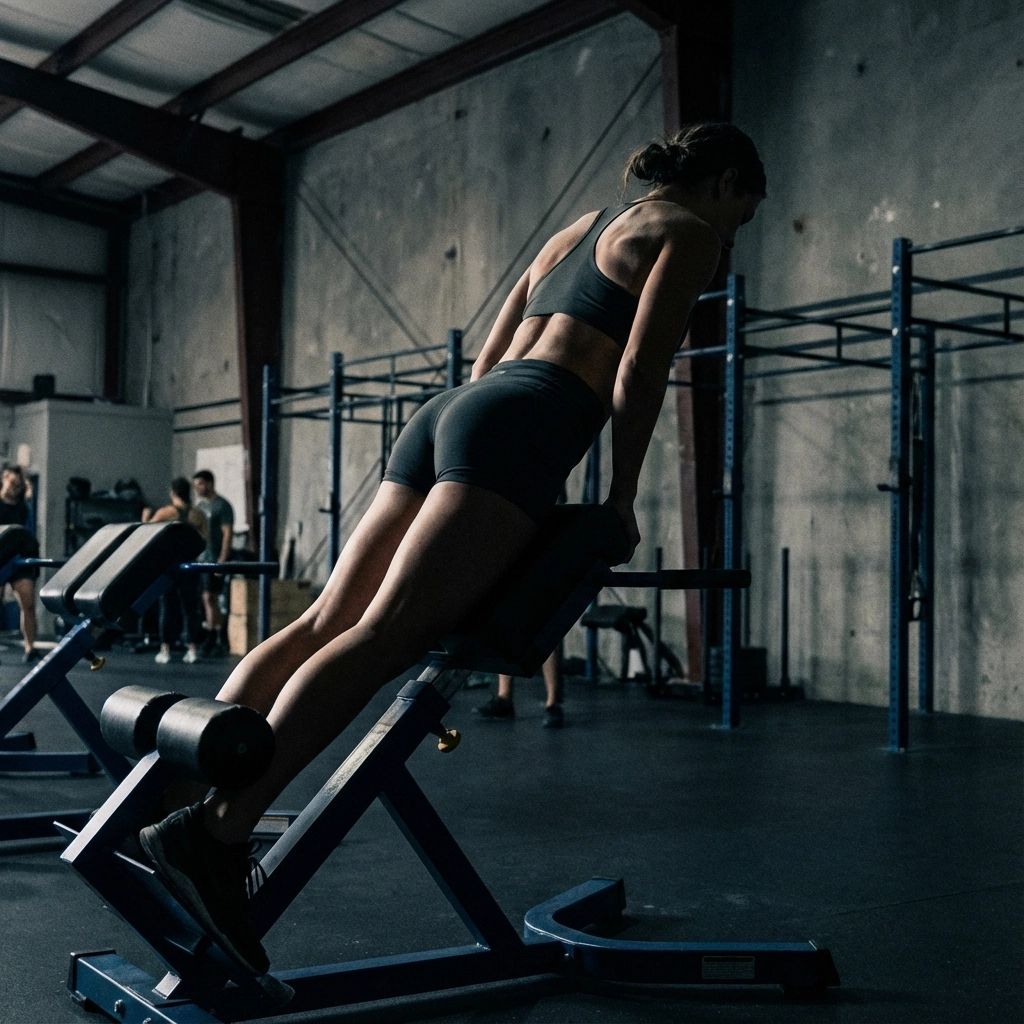
Research indicates that 45-degree hyperextensions activate glute muscles 23% more effectively than Romanian deadlifts. This exercise provides optimal hip torque in the mid-range position while eliminating the need for heavy loading that may stress other body systems.
The movement allows for precise glute targeting while being accessible to various fitness levels. The controlled range of motion makes it particularly suitable for women rebuilding strength after periods of inactivity or addressing movement compensations.
Why Conventional Approaches Fail After 35
Traditional fitness approaches often ignore the physiological changes occurring after 35. High-intensity interval training, heavy compound movements, and calorie-restriction diets can actually work against hormonal balance and muscle development during this life stage.
Excessive stress from intense training elevates cortisol levels, which are already elevated due to life demands typical of this age group. This creates a hormonal environment that promotes fat storage, particularly in the hip and thigh region, while inhibiting muscle protein synthesis.
Additionally, many conventional glute exercises emphasize knee extension over hip extension, shifting the workload away from the glutes toward the quadriceps. This explains why many women perform countless squats without achieving desired glute development.
Recovery and Hormonal Considerations
After 35, recovery becomes equally important as the training stimulus itself. Your nervous system requires more time to adapt, and muscle protein synthesis occurs at a slower rate. This necessitates longer recovery periods between intense training sessions and greater emphasis on sleep quality and stress management.
Nutrition timing becomes crucial for supporting hormonal balance. Consuming adequate protein throughout the day, particularly around training sessions, supports muscle protein synthesis when growth hormone levels are naturally declining.
The Role of Professional Guidance
Working with a qualified glute personal trainer near me becomes increasingly valuable after 35. Professional trainers understand the unique challenges of this life stage and can design programs that work with your changing physiology rather than against it.
A skilled trainer can assess movement patterns, identify compensations, and design progressive programs that address individual needs. This personalized approach proves more effective than generic fitness programs designed for younger populations.
Progressive Implementation Strategy
Begin with mobility and activation work before progressing to strength exercises. Spend the first two weeks focusing on hip flexor stretches, glute bridges, and pelvic floor engagement. This foundation work prepares your body for more advanced movements.
Gradually introduce the three essential movements, starting with bodyweight versions and progressing to loaded variations as movement quality improves. Prioritize proper form and full range of motion over heavy loads during the initial phases.
Monitor recovery carefully and adjust training frequency based on how your body responds. Some women thrive on three sessions per week, while others achieve better results with two quality sessions and additional mobility work.
Long-Term Success Factors
Consistency with targeted exercises proves more effective than sporadic high-intensity efforts. Your glutes respond better to regular, moderate stimulation than infrequent intense sessions that compromise recovery.
Track progress through multiple metrics beyond visual changes. Improved movement quality, reduced back pain, better posture, and increased functional strength often precede visible changes and indicate successful program implementation.
Understanding that glute development after 35 requires patience and strategic programming helps maintain realistic expectations and long-term adherence to effective training protocols.
The key to glute development after 35 lies not in doing more, but in doing better. Strategic exercise selection, proper recovery, and addressing the unique physiological changes of this life stage create the foundation for lasting results and improved quality of life.
Comments