

From 'Mom Bod' to Bikini Body: Real Talk on Postpartum Glute Recovery
Pregnancy and childbirth transform the body in profound ways. For many women, the postpartum period brings a desire to rebuild strength, regain confidence, and feel at home in their bodies again. The journey from "mom bod" to bikini body is not about erasing the evidence of motherhood, it is about reclaiming physical strength, supporting long-term health, and building a foundation that serves the demands of daily life.
Glute recovery plays a central role in this transformation. The gluteal muscles do far more than create aesthetic curves. They support the pelvis, stabilize the spine, and work in tandem with the pelvic floor to restore core function after pregnancy. Understanding how to rebuild these muscles safely and effectively is essential for any mother looking to regain strength and confidence.
The Pelvic Floor and Glutes Connection
Research has shown that strong glutes directly contribute to pelvic floor health and alignment. During pregnancy, the pelvic floor stretches and weakens to accommodate the growing baby and facilitate delivery. The glutes, which attach to the pelvis and work alongside the pelvic floor, often become inhibited or underactive during this time.
When the glutes are weak, the pelvic floor must compensate. This compensation pattern can lead to issues such as incontinence, lower back pain, and hip discomfort, symptoms many postpartum women experience but may not connect to glute weakness.
Rebuilding the pelvic floor and glutes together creates a synergistic effect. Strong glutes help maintain proper pelvic alignment, reducing strain on the pelvic floor muscles. This integrated approach supports not only aesthetic goals but also functional recovery that improves quality of life.
Understanding the Postpartum Body
The postpartum body requires a different approach than standard fitness programming. Hormonal changes, tissue healing, and the physical demands of caring for a newborn all influence how the body responds to exercise.
Key considerations for postpartum glute training include:
Tissue healing timelines: The body needs adequate time to recover from pregnancy and delivery before introducing intense exercise
Core and pelvic floor integration: Exercises should support, not strain, the recovering core system
Progressive loading: Starting with foundational movements and gradually increasing intensity prevents injury and builds sustainable strength
Posture restoration: Pregnancy often shifts posture patterns that persist postpartum, affecting how the glutes activate
A thoughtful, progressive approach yields better long-term results than aggressive programming that ignores the unique needs of the postpartum body.
Phase One: Foundational Movements
For women freshly postpartum or returning to exercise after an extended break, foundational movements establish the mind-muscle connection and begin rebuilding strength without overwhelming the system.
Glute Bridges
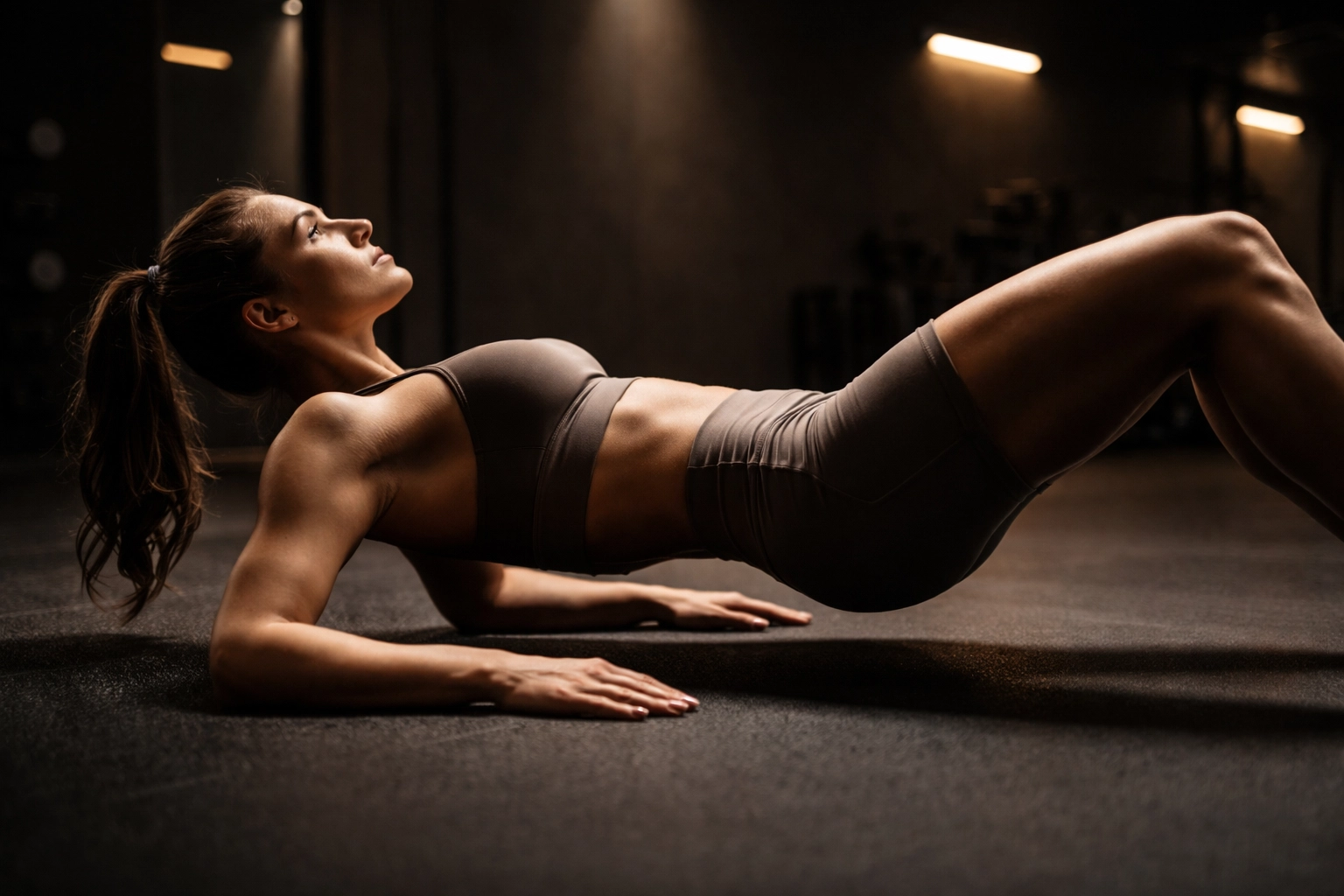
Lie on the back with feet flat on the floor, hip-width apart. Engage the core and squeeze the glutes to lift the pelvis off the floor. Hold briefly at the top, giving an extra squeeze, then lower slowly without resting completely on the floor. Proper pelvic floor engagement, using a gentle Kegel contraction, enhances the effectiveness of this exercise.
Clamshells
Lie on one side with legs stacked and knees bent to 90 degrees. Keeping the feet together, lift the top knee toward the ceiling while maintaining stability in the hips. This movement targets the gluteus medius, located at the outer edge of the hip, which is essential for pelvic stability.
Walking
Walking is often overlooked but remains one of the most important initial steps in postpartum recovery. Regular walking reduces sitting time, restores pelvic balance, and begins rebuilding glute function without placing excessive stress on the body.

Phase Two: Progressive Strength Building
Once foundational strength is established, progression to more challenging exercises accelerates results. This phase introduces movements that target both the gluteus maximus (the largest glute muscle) and the gluteus medius for comprehensive development.
Hip Thrusts
The hip thrust is considered one of the most effective exercises for glute development. Using a bench or elevated surface, position the upper back against the edge with feet flat on the floor. Drive through the heels, squeezing the glutes to lift the hips until the body forms a straight line from shoulders to knees. Avoid hyperextending the lower back at the top of the movement.
Hip thrusts can be progressed by adding a miniband around the knees or introducing external resistance as strength improves.
Single-Leg Deadlifts
This exercise builds unilateral strength and addresses imbalances that often develop during pregnancy. Stand about a foot from a wall with one foot kicked back, resting flat on the wall. Hinge at the hips, sending the hips straight back while maintaining a vertical shin on the standing leg. This positioning ensures the glutes and hamstrings perform the work rather than the quadriceps.
Elevated Clamshells
Performing clamshells in a side plank position on the knees increases the challenge significantly. Open the top knee while maintaining stable hips, avoiding rotation forward or backward. A miniband or isometric hold at the top adds further progression.
The Private Studio Advantage
The environment in which postpartum women train matters significantly. Crowded gyms present challenges that extend beyond equipment availability.
Many new mothers feel self-conscious about their changing bodies. The postpartum period often brings feelings of vulnerability that make exercising in public spaces uncomfortable. A private studio environment eliminates the anxiety of being watched or judged, allowing full focus on the work at hand.
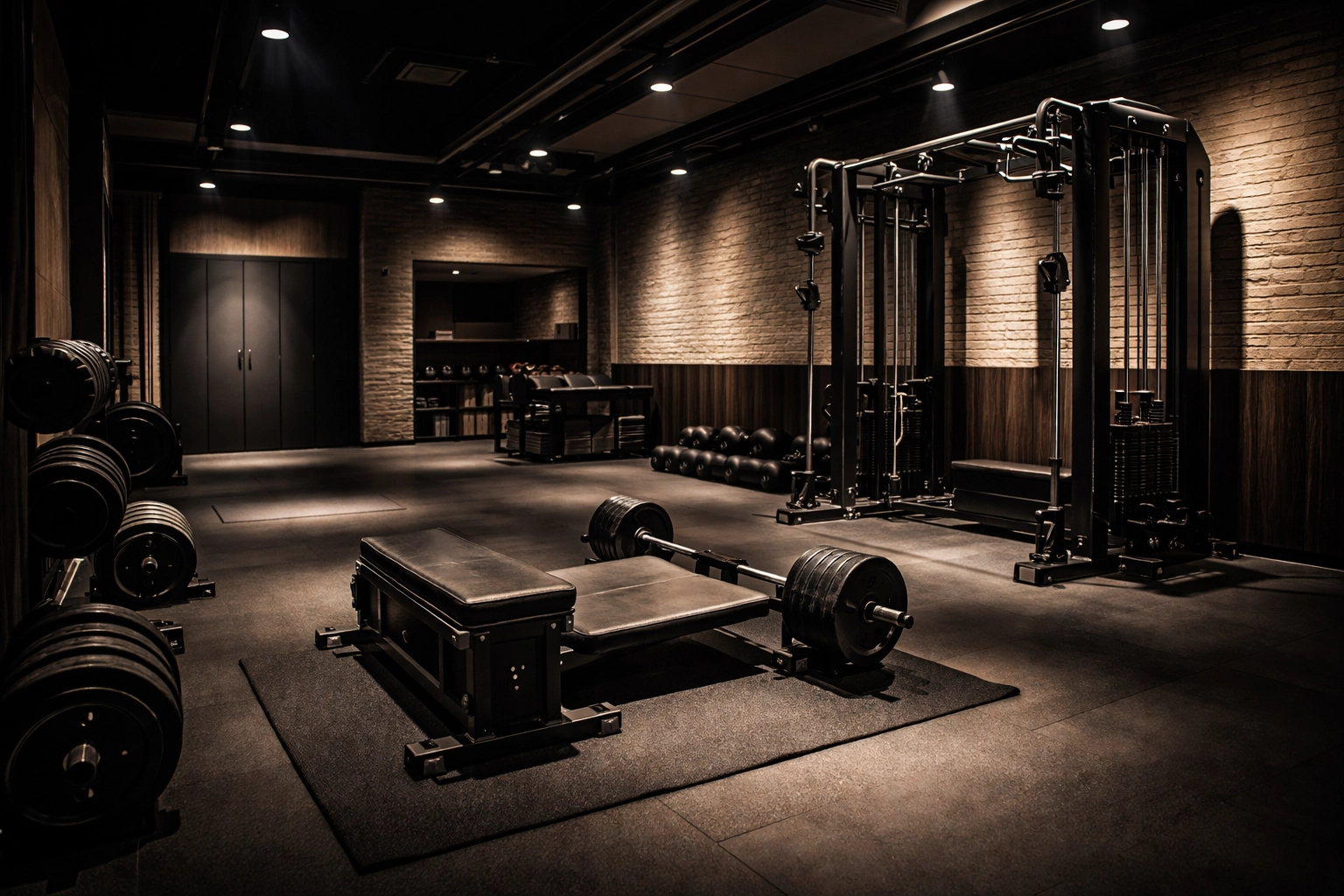
A personal trainer in Troy, MI who specializes in women's fitness understands the nuances of postpartum recovery. Personalized programming addresses individual needs, whether managing diastasis recti, rebuilding pelvic floor strength, or simply creating a sustainable routine that fits the demands of motherhood.
The luxury of a private training space also means:
No waiting for equipment: Sessions are efficient and focused
Personalized attention: Form corrections happen in real-time, maximizing results and preventing injury
A supportive atmosphere: The environment is designed to empower rather than intimidate
Flexible scheduling: Training times can accommodate the unpredictable schedules of new mothers
Form Tips for Maximum Glute Activation
Proper form determines whether exercises actually target the glutes or allow other muscles to compensate. Several key principles maximize glute activation:
Knee Positioning
During squats, lunges, and hip thrusts, shifting the knee back to stack over the ankle rather than allowing it to travel toward the toes recruits the glutes and hamstrings rather than the quadriceps. This subtle adjustment creates significantly deeper glute activation.
Neutral Spine Alignment
Maintaining a strong core throughout movements prevents the lower back from overarching. When the lower back compensates, the glutes disengage. Keeping the ribcage connected to the pelvis ensures the glutes perform the intended work.
Intentional Movement
Rushing through repetitions reduces effectiveness. Slow, controlled movements with focused breathing create greater muscle engagement and better results over time.
Building Your Bikini Body Lab Results
Sustainable transformation requires consistency rather than intensity. Research supports that long-term glute development comes from sustained, focused exercise rather than sporadic high-intensity efforts.
A structured program that progressively increases challenge: starting with bodyweight movements and advancing to loaded exercises: builds strength without overwhelming the recovering postpartum body. Both the gluteus maximus and gluteus medius should be addressed for balanced development and optimal function.
The Bikini Body Lab approach combines specialized equipment, expert guidance, and a private training environment to support mothers through every phase of their transformation. This method recognizes that postpartum recovery is not about punishment or deprivation: it is about building a body that feels strong, capable, and confident.
Taking the First Step
Postpartum glute recovery is a journey that requires patience, proper guidance, and an environment that supports growth. The path from "mom bod" to bikini body is achievable with a progressive approach that honors the body's need for recovery while systematically building strength.
For women seeking glute training near me in a supportive, private setting, the combination of expert coaching, specialized equipment, and an empowering atmosphere creates the conditions for real, lasting results.
The transformation begins with a single step. Schedule a consultation to discuss personalized postpartum training options and discover what focused, professional guidance can accomplish.
Comments