

Stop Squatting for Glutes: Why the Hip Thrust is the Real King of the Lab
The Squat Myth: Why Traditional Advice Falls Short
Walk into almost any commercial gym, and the advice for building glutes remains the same: squat more, squat heavier, squat deeper. This guidance has been passed down for decades, becoming almost gospel in fitness circles. However, for women seeking maximum glute development: particularly those between 30 and 55: this one-dimensional approach leaves significant results on the table.
The squat is not a bad exercise. Far from it. But positioning it as the ultimate glute builder overlooks critical biomechanical factors and ignores what modern research reveals about targeted muscle development. Understanding why squats alone fall short opens the door to more effective, efficient glute training strategies.
The Biomechanics Behind the Limitation
Squats are a compound movement, meaning they recruit multiple muscle groups simultaneously. The quadriceps, adductors (inner thighs), hamstrings, and glutes all share the workload. While this makes squats excellent for overall lower body strength, it also means the glutes never bear the full brunt of the exercise.

During a squat, the glutes work hardest at the bottom of the movement: when the hips are in deep flexion. As the body rises and approaches standing position, quadriceps engagement increases while glute activation decreases. This pattern creates an uneven stimulus throughout the exercise.
Key limitations of squats for glute development include:
Shared muscle recruitment: The quadriceps often dominate, especially as fatigue sets in
Limited tension at lockout: Glute activation diminishes at the top of the movement, precisely where hip extension is most complete
Spinal loading: Heavy squats place significant stress on the lower back, which can limit training frequency and intensity for many women
Technical demands: Proper squat form requires mobility and stability that can take years to develop
For women over 30: especially those returning to fitness after years away or navigating postpartum recovery: these limitations become even more pronounced.
Hip Thrusts: The Glute-Dominant Alternative
The hip thrust addresses nearly every shortcoming of the squat when it comes to targeted glute development. Research has shown that hip thrusts elicit 1.5 to 3 times greater glute activation compared to squats, with subjects consistently reporting stronger glute engagement during the movement.
This heightened activation occurs because hip thrusts position the body to maximize glute involvement throughout the entire range of motion. The resistance profile matches the strength curve of the gluteus maximus, meaning the muscle works hardest precisely when it can produce the most force: at full hip extension.
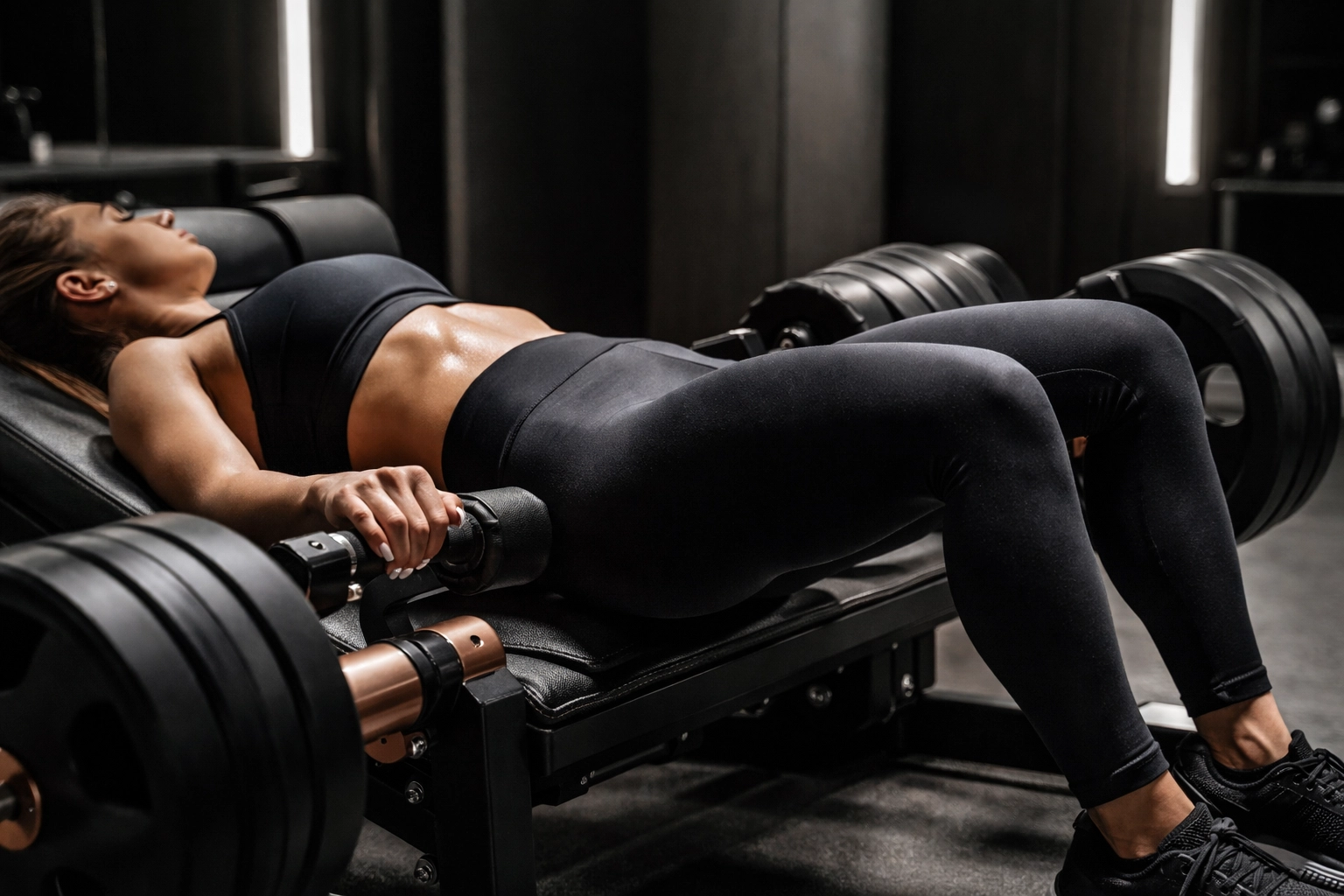
The biomechanical advantages of hip thrusts include:
Direct glute targeting: The gluteus maximus serves as the primary mover with minimal contribution from other muscles
Peak contraction at lockout: Maximum resistance occurs when the hips are fully extended, creating intense glute engagement
Spine-friendly positioning: The horizontal setup eliminates compressive forces on the lower back
Lower technical barrier: The movement pattern is simpler to learn and execute with proper form
These factors make hip thrusts particularly valuable for women seeking efficient, targeted glute training without the joint stress and technical complexity of heavy squats.
What the Research Reveals
A comprehensive nine-week training study compared squat and hip thrust training for gluteal muscle growth. The findings offer important insights for anyone serious about glute development.
Both exercises produced similar overall gluteal hypertrophy across upper, middle, and lower glute regions. However, hip thrusts demonstrated significantly higher muscle activation during each repetition. This distinction matters for practical application.
The research suggests that while both movements can build glutes effectively, hip thrusts offer a more direct path to that goal. The exercise requires less total systemic stress, places no spinal loading on the body, and allows for greater training frequency: all factors that compound over time.
For women balancing career, family, and fitness, this efficiency matters. Spending 45 minutes in a dedicated glute lab with specialized equipment can produce superior results to hours navigating crowded gym floors and waiting for squat racks.
The Equipment Advantage
Not all hip thrusts are created equal. Performing the movement on a standard bench with a barbell presents challenges: awkward bar positioning, uncomfortable hip pressure, and limited range of motion. These factors reduce effectiveness and increase injury risk.
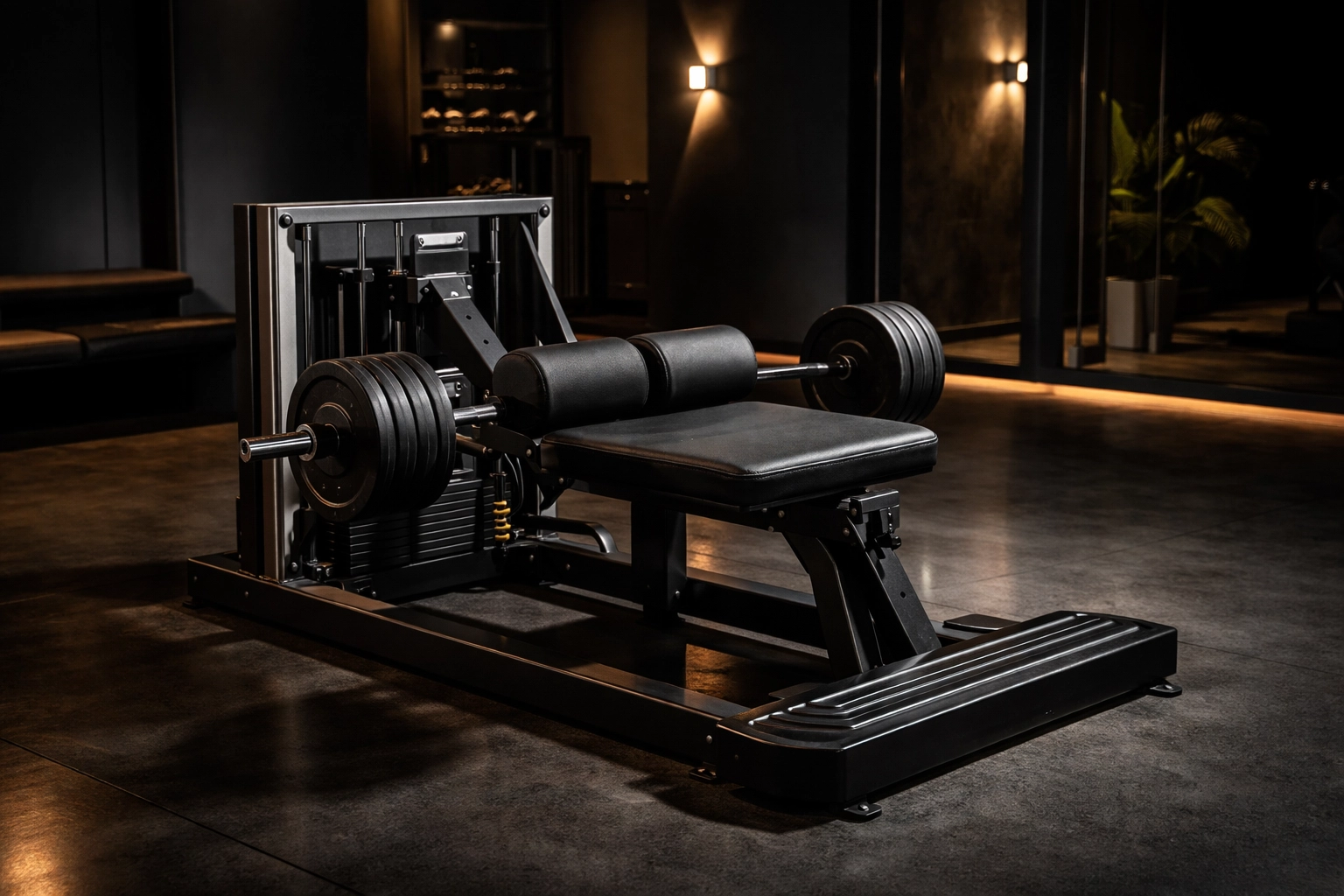
Specialized glute training equipment: the kind found in a dedicated glute lab: transforms the exercise entirely. Purpose-built hip thrust machines offer:
Optimal pad positioning: Proper resistance placement across the hips, not the pelvis
Smooth resistance curves: Consistent tension throughout the movement
Adjustable settings: Accommodation for different body types and mobility levels
Safety features: Controlled movement paths that prevent form breakdown
This equipment difference explains why booty workouts performed at home or in general fitness facilities often fail to deliver promised results. The exercise selection may be correct, but the execution environment limits potential.
Building a Complete Glute Program
The most effective approach to glute development combines hip thrusts with complementary movements. Research supports this integrated strategy for maximizing overall lower body development while prioritizing glute growth.
A well-designed glute training program includes:
Hip thrusts as the primary glute builder, performed with appropriate resistance and full range of motion
Romanian deadlifts for glute and hamstring development through hip hinge patterns
Cable or band work for constant tension and isolation at various angles
Squats and lunges as supporting movements for overall leg development and functional strength
The key lies in prioritization. When glute development is the primary goal, hip thrusts and horizontal-loading movements should receive the most attention, energy, and progressive overload. Squats become a supporting player rather than the star.
Why Environment Matters for Results
Training environment significantly impacts outcomes. A dedicated glute lab near you offers advantages that general fitness facilities cannot match:
Specialized equipment: Purpose-built machines designed specifically for glute development
Expert programming: Trainers who understand the nuances of glute training for women
Private setting: A comfortable space free from crowded equipment and unwanted attention
Focused atmosphere: An environment designed around a single goal rather than competing priorities
For women over 30 seeking real body transformation, these factors often determine the difference between marginal progress and significant results. The right equipment, guidance, and setting create conditions where consistent effort translates directly to visible change.

Practical Application: Getting Started
Transitioning from squat-focused training to a hip thrust-prioritized approach requires intentional programming adjustments.
Frequency: Hip thrusts can be performed 2-3 times per week due to lower systemic fatigue compared to heavy squats
Progression: Focus on adding resistance gradually while maintaining full hip extension at the top of each repetition
Volume: 3-4 sets of 8-15 repetitions provides sufficient stimulus for most women
Recovery: Allow 48-72 hours between sessions targeting the same muscle group
Those new to dedicated glute training benefit from professional guidance during the initial learning phase. Proper setup, resistance selection, and form cues ensure the exercise delivers maximum benefit while minimizing injury risk.
The Bottom Line
Squats have earned their place in fitness programming, but their reign as the ultimate glute builder deserves reconsideration. For women seeking targeted, efficient glute development: particularly those navigating the unique challenges of training after 30: hip thrusts offer a superior path to results.
The combination of higher glute activation, spine-friendly positioning, and lower technical demands makes hip thrusts the logical choice for prioritized glute training. When performed with proper equipment in a dedicated glute lab setting, the exercise becomes even more effective.
Building the glutes women want: strong, shapely, and functional: requires moving beyond conventional wisdom and embracing evidence-based training strategies. The hip thrust has earned its place as the true king of the glute lab.
Ready to experience the difference specialized glute training can make? Explore training options designed specifically for women who want real results.
Related Keywords: glute lab, glute training near me, glute lab near me, booty workouts near me, hip thrust training, glute building exercises, women's glute training
Comments