

Eating for the Peach: Why You Can't Starve Your Way to Glute Gains
The "Eat Less, Train More" Myth That's Sabotaging Your Results
For decades, women have been sold the same tired advice: cut calories, do more cardio, and watch the scale drop. But here's the uncomfortable truth that nobody talks about at your average gym: if building a strong, sculpted backside is the goal, eating less is quite possibly the worst strategy available.
The women walking into a bikini body lab expecting to build glutes while surviving on salads and 1,200 calories are setting themselves up for frustration. Muscle doesn't appear out of thin air. It requires raw materials. It requires fuel. And it requires a fundamental shift in how most women think about food and their bodies.
This isn't about eating junk or abandoning health goals. It's about understanding the basic science of muscle growth and why the "starvation approach" fails every single time for women trying to build their best physique after 30.
Why Your Body Can't Build Muscle in a Deficit
Here's the science, stripped down to the essentials: muscle growth requires a caloric surplus. That means consuming more calories than the body expends throughout the day.
When calories are restricted, the body enters a state of energy scarcity. In this state, the body's priority shifts to basic survival functions: keeping the heart beating, the brain functioning, and organs running. Building new muscle tissue? That falls to the bottom of the priority list.

Even the most intense glute workout is essentially controlled muscle damage. The fibers tear during training, and the body repairs them stronger than before. But this repair process demands energy and nutrients. Without adequate fuel, the body simply cannot complete this rebuilding process effectively.
Think of it this way: trying to build a house without enough bricks, mortar, or workers doesn't result in a smaller house. It results in no house at all. The same principle applies to glute development.
The Caloric Surplus: How Much Is Enough?
The recommended approach for muscle growth involves eating approximately 5-10 percent above daily maintenance calories. This provides enough energy for muscle repair and growth without excessive fat accumulation.
For a woman with a total daily energy expenditure (TDEE) of 1,700 calories, a 10 percent surplus means adding roughly 170 extra calories per day. That's not a dramatic increase: it might look like an extra serving of rice, a handful of nuts, or a protein smoothie.
The key distinction here matters: this isn't about eating everything in sight. It's about strategic, intentional fueling that supports the body's muscle-building processes while working with a qualified glute personal trainer near me who understands these principles.
Many women, particularly those between 30 and 55, have spent years in a restrict-and-binge cycle. Moving to a surplus feels counterintuitive and sometimes uncomfortable. But the metabolic benefits of carrying more muscle mass: higher resting calorie burn, improved insulin sensitivity, stronger bones: far outweigh the temporary adjustment period.
The Three Pillars of Glute-Building Nutrition
Beyond total calories, three macronutrients form the foundation of any effective muscle-building nutrition plan.
Protein: The Non-Negotiable
Protein rebuilds damaged muscle fibers. Without adequate protein, glute training becomes an exercise in futility. Research has shown that optimal muscle growth requires 1.6-2.2 grams of protein per kilogram of body weight daily, or approximately 0.8-1 gram per pound of body weight.
For practical application, aim to include 20-30 grams of protein with each meal and snack. This consistent intake throughout the day keeps muscle protein synthesis elevated, rather than trying to cram all protein needs into one or two meals.
Quality protein sources include:
Lean meats (chicken, turkey, lean beef)
Fish and seafood
Eggs and egg whites
Greek yogurt and cottage cheese
Legumes and tofu for plant-based options
Protein supplements when whole food intake falls short
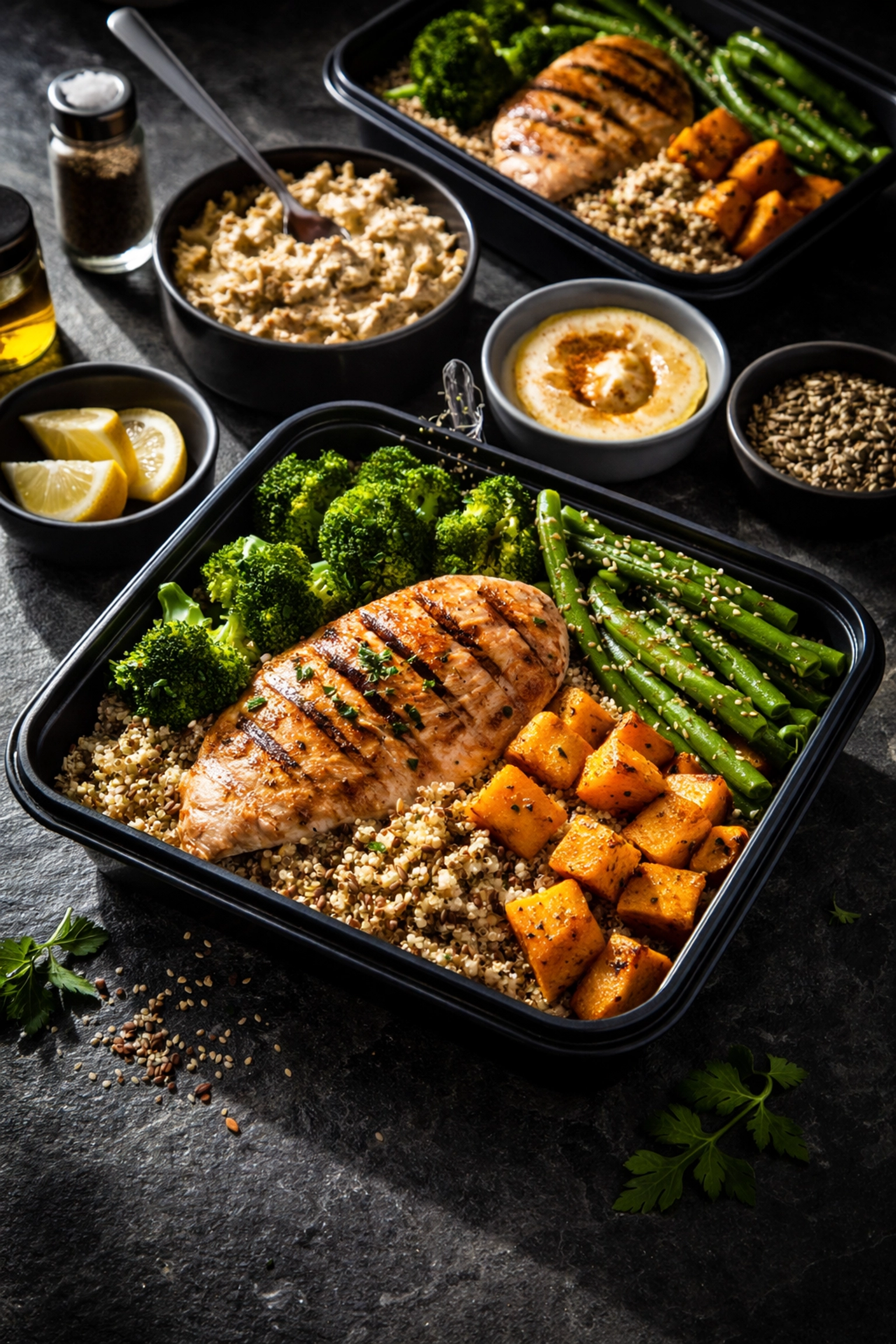
Carbohydrates: The Fuel Source
Carbohydrates have been unfairly demonized in diet culture, but they serve a critical function for anyone serious about building muscle. Carbs provide the energy muscles need during intense training and support recovery afterward.
The glutes are large muscles that require significant energy to train effectively. Low-carb approaches often leave women feeling sluggish during workouts, unable to push with the intensity required for real change.
Quality carbohydrate sources include:
Sweet potatoes and white potatoes
Rice (white or brown)
Oats and whole grains
Fruits and vegetables
Quinoa and other ancient grains
Healthy Fats: The Hormone Regulators
Fats regulate hormone production, which is vital for muscle growth: especially for women navigating the hormonal shifts that occur from the 30s onward. Estrogen, testosterone, and growth hormone all play roles in muscle development, and adequate fat intake supports their production.
Sources of healthy fats include avocados, nuts, seeds, olive oil, and fatty fish like salmon. These should comprise roughly 25-35 percent of total daily calories.
Training Days vs. Rest Days: The Nutrition Strategy
A common mistake involves eating well on training days but drastically cutting calories on rest days. This approach undermines progress because rest days are when actual muscle growth occurs.
During a workout, muscles are being broken down. The 24-72 hours following that workout represent the repair and growth window. Cutting calories during this period starves the body of resources precisely when it needs them most.

The recommendation: maintain the full caloric surplus on both training and rest days. The body doesn't stop building muscle just because a workout isn't happening that day.
For women working with a personal trainer Land O Lakes FL location or training at a specialized bikini body lab, this consistent approach to nutrition maximizes the investment being made in training time and effort.
The Metabolic Benefits of Building Muscle
Beyond aesthetics, building glute muscle offers significant metabolic advantages that become increasingly important with age.
Higher Resting Metabolic Rate: Muscle tissue burns more calories at rest than fat tissue. Building muscle effectively raises the body's baseline calorie expenditure, making weight management easier over time.
Improved Insulin Sensitivity: Muscle acts as a "glucose sink," helping regulate blood sugar levels. This becomes particularly relevant for women over 40 who may be experiencing early metabolic changes.
Stronger Bones: Resistance training and the muscle it builds stimulates bone density, reducing osteoporosis risk: a significant concern for women as they age.
Better Functional Strength: Strong glutes support the lower back, improve posture, and make everyday activities easier and safer.
These benefits compound over time. The woman who invests in building muscle at 35 or 45 or 55 is setting herself up for a more capable, resilient body in the decades ahead.
Practical Steps for Making the Shift
For women ready to stop the restriction cycle and start fueling properly, these steps provide a framework:
Calculate actual caloric needs using a TDEE calculator, then add 5-10 percent for muscle building
Prioritize protein at every meal, aiming for 20-30 grams per sitting
Time carbohydrates around workouts for optimal energy and recovery
Track intake initially to ensure adequate fuel is actually being consumed
Work with professionals who understand muscle-building nutrition, not just weight loss
The journey from "eating less" to "eating for performance" requires a mindset shift. Food becomes fuel for building the body, not the enemy to be restricted.
Moving Forward With Confidence
Building glutes: real, noticeable, strong glutes: requires eating for the goal. The cardio-and-salad approach that worked (sort of) for dropping a few pounds in the past will not build muscle. Period.
Women ready to commit to proper training and nutrition can explore our plans and pricing or view real client results to see what's possible with the right approach.
The body is capable of remarkable transformation at any age. It simply needs the proper fuel to make it happen.
Comments