

The Ultimate Guide to Glute Training Near Me: Everything Women Over 30 Need to Succeed
Glute training becomes increasingly important as women enter their thirties, yet many struggle to find effective programs tailored to their specific needs. The landscape of fitness changes dramatically after 30, with hormonal shifts, lifestyle demands, and physical considerations requiring a more strategic approach to building strong, functional glutes.
Why Glute Training Changes After 30
Women over 30 face unique physiological challenges that directly impact muscle development and retention. Hormonal fluctuations, particularly declining estrogen levels, affect muscle protein synthesis and recovery rates. Research has shown that women begin losing muscle mass at approximately 3-8% per decade starting in their thirties, with the glutes being particularly susceptible to this decline.
Metabolic changes also play a significant role. The body's ability to efficiently process nutrients and recover from exercise diminishes, making strategic programming essential rather than optional. Additionally, lifestyle factors such as prolonged sitting, pregnancy, childbirth, and increased stress levels contribute to glute dormancy and weakness.
These factors necessitate specialized training approaches that account for longer recovery periods, modified exercise selection, and progressive overload strategies designed for the mature female body.

Finding the Right Glute Training Program Near You
Selecting an appropriate glute training facility requires careful evaluation of several key factors. When searching for glute training near me, prioritize facilities that demonstrate expertise in working with women over 30 and understand the specific challenges this demographic faces.
Professional glute labs and specialized training centers offer distinct advantages over generic fitness facilities. These environments typically provide customized programming, specialized equipment, and trainers with advanced knowledge of female anatomy and physiology. The ideal facility should offer comprehensive assessments including postural analysis, movement screening, and muscle activation testing.
Location and convenience play crucial roles in long-term success. Research shows that individuals are more likely to maintain consistent training habits when facilities are within 12 minutes of home or work. When evaluating options for glute personal trainer near me, consider scheduling flexibility, parking availability, and facility cleanliness as essential factors.
Essential Components of Effective Glute Programs
Successful glute training for women over 30 requires a multi-faceted approach addressing strength, activation, and functional movement patterns. Effective programs incorporate progressive overload through varied rep ranges, typically emphasizing moderate to higher repetitions (8-15 reps) to accommodate recovery needs while still promoting muscle growth.
Activation exercises form the foundation of quality programming. These movements, including clamshells, glute bridges, and band walks, ensure proper muscle recruitment before progressing to compound movements. Research demonstrates that pre-activation protocols improve glute engagement during subsequent exercises by up to 30%.
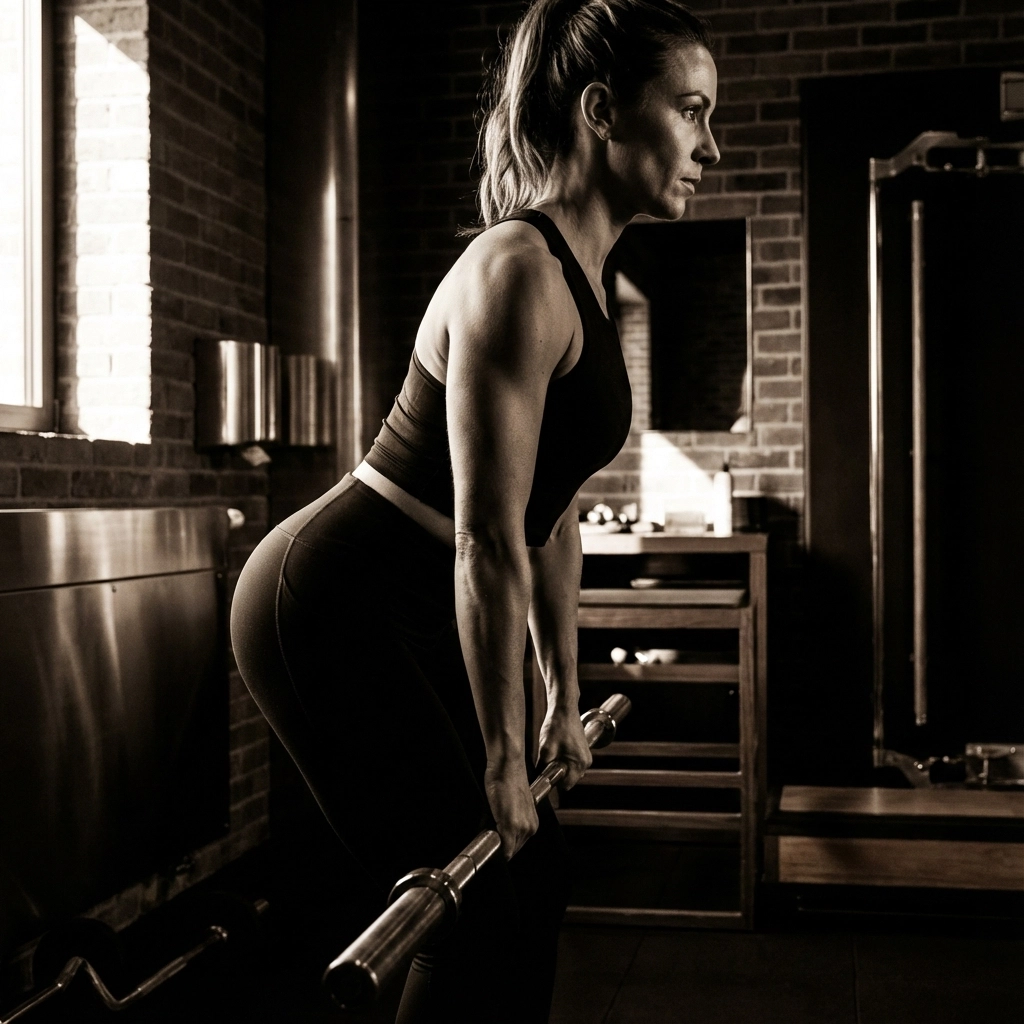
Compound movements such as squats, deadlifts, and lunges should form the core of any comprehensive program. However, exercise selection must consider individual limitations, joint health, and movement quality. Hip thrusts, often considered the gold standard for glute development, provide excellent muscle activation while being joint-friendly for most individuals.
Debunking Common Glute Training Myths
Several persistent myths surrounding glute training can derail progress and create unrealistic expectations. The belief that higher repetitions alone will create definition while avoiding bulk represents a fundamental misunderstanding of muscle development. Women over 30 require adequate resistance and progressive overload to stimulate meaningful adaptations.
The myth that certain exercises will spot-reduce fat from specific areas continues to mislead many women. Fat loss occurs systemically and cannot be targeted through exercise selection. Effective glute training builds muscle tissue underneath existing fat, but overall body composition changes require a comprehensive approach including nutrition and cardiovascular exercise.
Another common misconception involves the timeline for visible results. Many expect dramatic changes within weeks, when research indicates that noticeable muscle development typically requires 6-12 weeks of consistent training. Setting realistic expectations prevents discouragement and promotes long-term adherence.
The Private Training Advantage
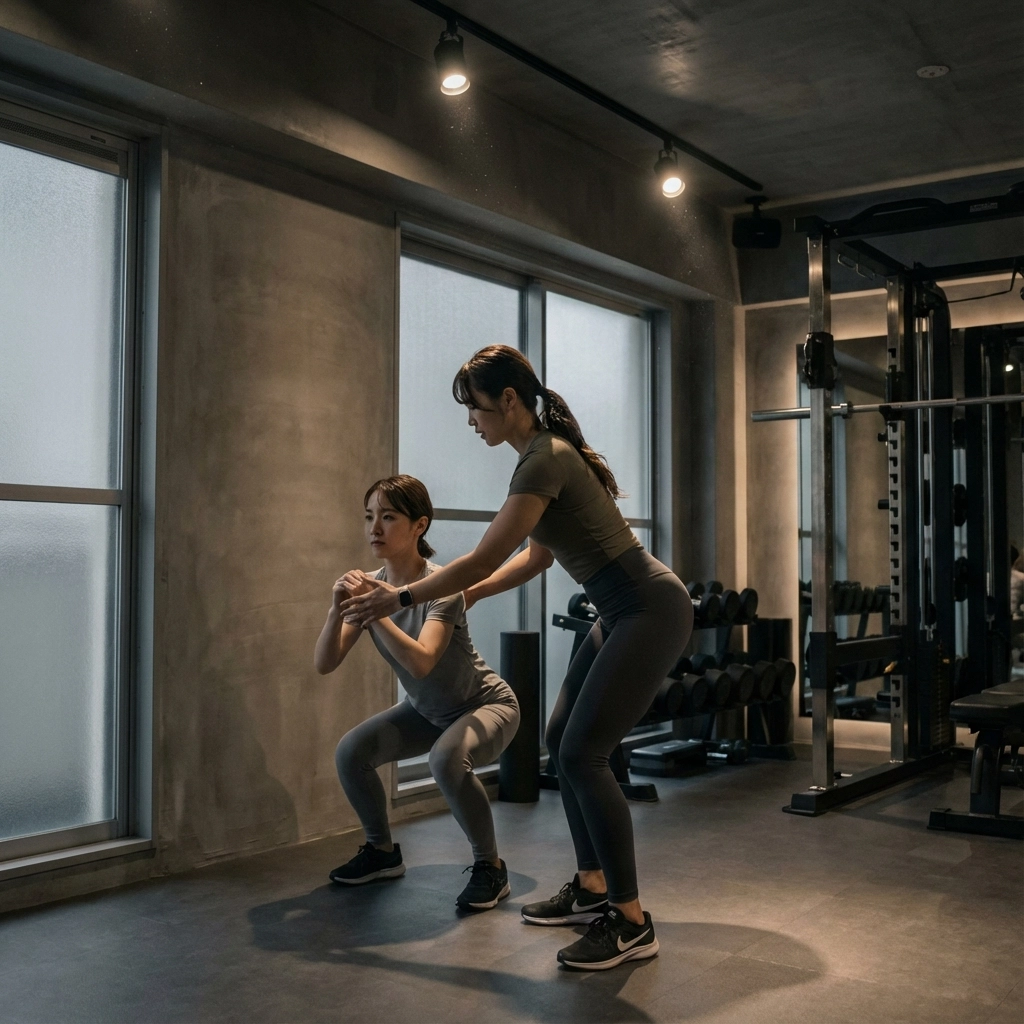
Private training environments offer significant benefits for women over 30 seeking glute development. Individual attention allows for real-time form corrections, personalized modifications, and programming adjustments based on daily readiness and recovery status.
The luxury of private or semi-private training extends beyond convenience to encompass safety and efficiency. Trainers can immediately identify compensation patterns, muscle imbalances, and movement dysfunctions that might go unnoticed in group settings. This attention to detail becomes increasingly important as injury risk elevates with age.
Privacy also addresses confidence concerns that many women experience when beginning or returning to strength training. The judgment-free environment of private studios allows for focused learning and skill development without external distractions or self-consciousness.
Selecting Qualified Professionals
Identifying qualified trainers requires evaluation of credentials, experience, and specialization areas. Look for certifications from reputable organizations such as NASM, ACSM, or NSCA, with additional specializations in corrective exercise, women's fitness, or anatomy-based training approaches.
Experience working specifically with women over 30 proves invaluable, as this demographic presents unique challenges requiring specialized knowledge. Qualified professionals should demonstrate understanding of hormonal influences on training, pregnancy and postpartum considerations, and age-related movement restrictions.
Communication skills and coaching philosophy alignment are equally important. The ideal trainer should provide clear explanations, demonstrate exercises effectively, and create a supportive environment that encourages questions and open dialogue about concerns or limitations.
Time-Efficient Training Strategies
Time constraints represent one of the most significant barriers to consistent exercise for women over 30. Effective glute training programs acknowledge these limitations and prioritize compound movements that provide maximum return on time investment.
Quality supersedes quantity in mature training approaches. Two to three focused sessions per week, lasting 45-60 minutes, typically produce superior results compared to sporadic longer sessions. This frequency allows adequate recovery while maintaining training momentum.
Supersets and circuit training can maximize training efficiency without compromising exercise quality. Pairing upper and lower body movements or combining strength exercises with activation movements reduces rest periods while maintaining intensity.

Nutrition and Recovery Considerations
Glute development extends beyond exercise selection to encompass recovery and nutrition strategies. Women over 30 require increased attention to protein intake, with research suggesting 0.8-1.2 grams per pound of body weight for optimal muscle protein synthesis.
Sleep quality significantly impacts recovery and hormone regulation, with inadequate sleep negatively affecting growth hormone release and muscle repair processes. Prioritizing 7-9 hours of quality sleep becomes essential for training adaptations.
Stress management also plays a crucial role in program success. Chronic stress elevates cortisol levels, which can inhibit muscle growth and promote fat storage in the midsection and glutes. Incorporating stress-reduction techniques such as meditation, yoga, or regular massage can enhance training outcomes.
Creating Sustainable Habits
Long-term success requires developing sustainable habits that accommodate life's demands while maintaining training consistency. Setting realistic goals and expectations prevents the all-or-nothing mentality that often leads to program abandonment.
Flexible scheduling approaches work better than rigid adherence to specific days and times. Having backup plans for disrupted schedules, such as shorter home workouts or modified exercises, maintains momentum during challenging periods.
Tracking progress through multiple metrics beyond appearance helps maintain motivation during plateaus. Strength improvements, energy levels, sleep quality, and functional movement assessments provide objective measures of program effectiveness.
Moving Forward with Confidence
Successful glute training for women over 30 requires a comprehensive approach that addresses the unique challenges and opportunities of this life stage. Professional guidance, appropriate program design, and realistic expectations create the foundation for lasting results.
The investment in quality training pays dividends not only in physical appearance but in functional strength, confidence, and overall quality of life. Whether seeking a specialized glute lab near me or bikini body lab programs, prioritizing expertise and individualization ensures optimal outcomes.
Beginning or returning to structured glute training represents a commitment to long-term health and vitality. With proper guidance, realistic expectations, and consistent effort, women over 30 can achieve significant improvements in strength, function, and confidence through specialized glute training programs.
Comments