

7 Mistakes You're Making with Winter Glute Training (And Why Your Bikini Body Lab Results Aren't Showing)
Winter training sets the foundation for summer confidence. While others wait until March to start their bikini body transformation, smart women understand that January through April represents the most crucial months for glute development. Research demonstrates that muscle growth requires consistent stimulus over 12-16 weeks to produce visible changes, making winter the ideal time to build the strong, sculpted glutes that will showcase beautifully come summer.
However, many women unknowingly sabotage their progress through common training errors that prevent their glute lab efforts from translating into real results. Understanding and correcting these mistakes transforms winter workouts from time-wasters into powerful tools for achieving your bikini body goals.
Mistake #1: Using Poor Form and Technique
Improper exercise execution represents the most significant barrier to glute development. Research has shown that feeling exercises in the lower back or quadriceps instead of the glutes indicates a form issue rather than an exercise selection problem. This disconnect between intended muscle activation and actual muscle recruitment severely limits progress.
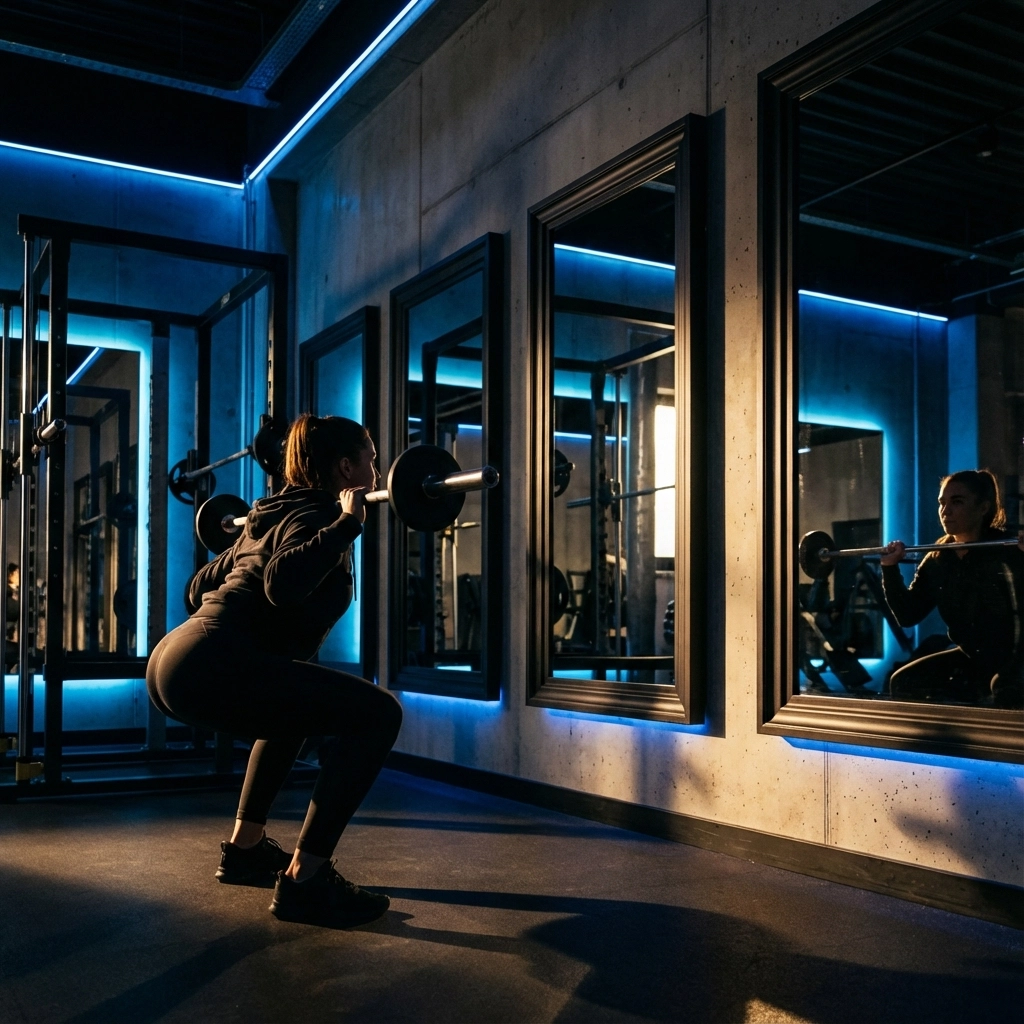
Common form errors include allowing the knees to cave inward during squats, failing to achieve full hip extension in bridges, and using the lower back to compensate during deadlifts. These compensatory patterns not only reduce glute activation but also increase injury risk.
The solution involves mastering fundamental movement patterns before adding weight or complexity. Working with a qualified glute personal trainer near me ensures proper form development from the beginning, preventing the establishment of ineffective movement habits that take months to correct.
Mistake #2: Training Inconsistency Throughout Winter Months
Winter weather, shorter days, and holiday disruptions create the perfect storm for training inconsistency. Many women fall into sporadic workout patterns, training intensely for a few days before taking extended breaks. This stop-start approach prevents the accumulated stimulus necessary for muscle adaptation.
Research indicates that muscle protein synthesis remains elevated for 48-72 hours following resistance training. Gaps longer than this duration between sessions reduce the cumulative effect needed for growth. Successful glute development requires consistent training frequency, typically 3-4 sessions per week focusing specifically on glute activation and strengthening.
Creating a structured winter training schedule that accounts for seasonal challenges ensures continuous progress. Establishing non-negotiable training days and backup indoor options maintains momentum when weather conditions interfere with gym access.
Mistake #3: Program Hopping Instead of Progressive Development
The fitness industry promotes countless new programs, challenges, and workout trends throughout the winter months. Many women abandon effective routines in favor of the latest Instagram booty workouts near me, preventing their bodies from adapting to progressive overload.
Muscle growth occurs through gradual adaptation to increasing demands. Constantly changing exercises, rep ranges, and training styles prevents this adaptation process. The most effective bikini body lab results come from consistent programs that systematically increase challenge over time.
Successful glute development requires commitment to proven exercises and progressive overload principles. Rather than chasing workout variety, focus intensifies on mastering fundamental movements while gradually increasing weight, volume, or training density.
Mistake #4: Insufficient Glute-Specific Focus
General fitness programs often distribute training volume across multiple muscle groups without adequate emphasis on glute development. Many women spend considerable time on cardio machines and full-body circuits while allocating minimal focused attention to targeted glute training.
The glute complex represents the largest and strongest muscle group in the human body. Developing these muscles requires specific exercises that challenge them through their full range of motion at various angles. Research demonstrates that glute-focused training 3 times per week produces superior results compared to general lower body routines.
Effective glute training near me prioritizes compound movements like squats, deadlifts, and hip thrusts while incorporating targeted isolation exercises. This approach ensures adequate stimulus for growth while building functional strength that transfers to daily activities.
Mistake #5: Ignoring Pelvic Floor Integration
The pelvic floor muscles work synergistically with the glutes to provide core stability and optimal movement patterns. Many women over 30 experience pelvic floor dysfunction that interferes with proper glute activation, limiting training effectiveness and potentially causing compensatory injuries.
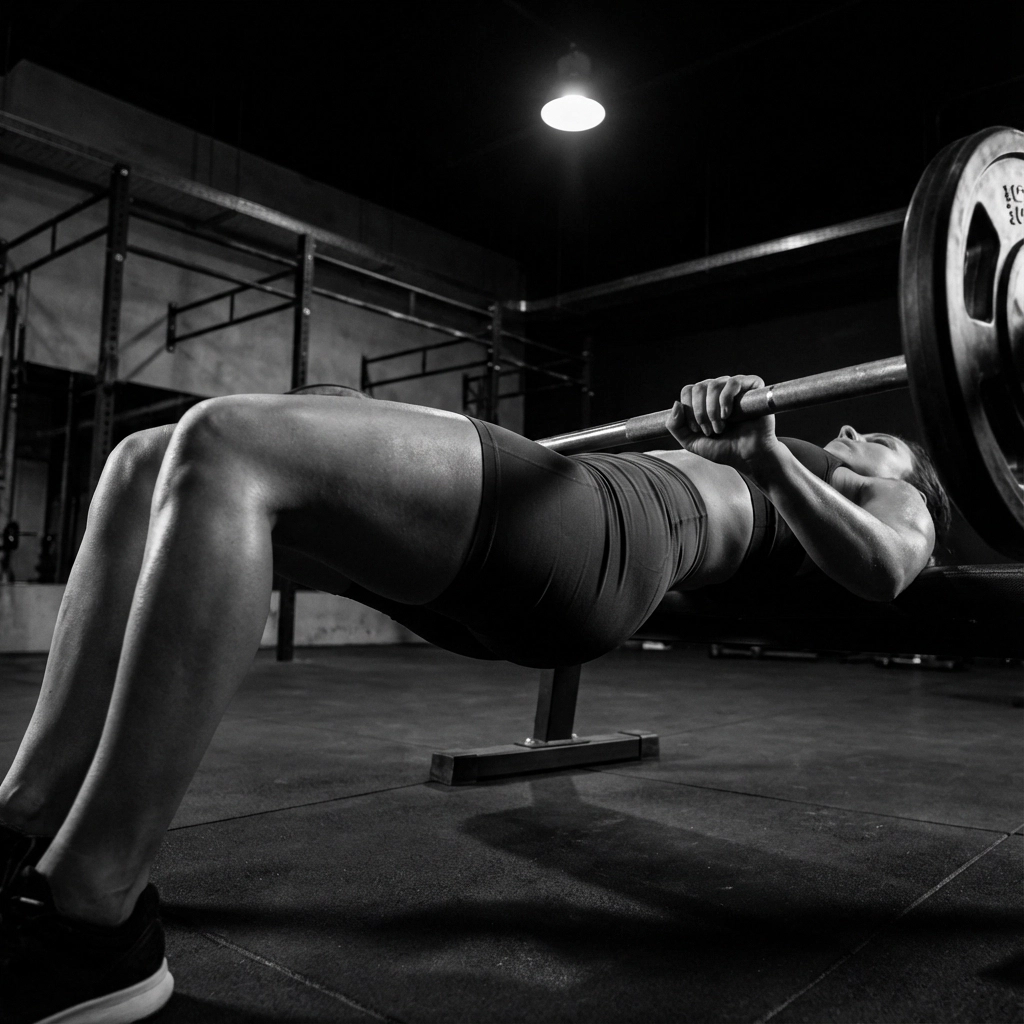
Pelvic floor weakness creates instability that forces other muscle groups to compensate during glute exercises. This compensation reduces the training stimulus delivered to the glutes while increasing stress on the lower back and hip flexors. Women who ignore this connection often struggle with persistent lower back pain and plateaued glute development.
Integrating pelvic floor awareness into glute training maximizes exercise effectiveness while addressing underlying dysfunction. Proper breathing patterns, coordinated muscle activation, and targeted strengthening exercises create the stable foundation necessary for optimal glute development.
Mistake #6: Lack of Progressive Overload Implementation
Many women maintain the same weights, repetitions, and training intensity throughout their winter program. Without systematic progression, the body adapts to the current stimulus level and stops responding with continued growth. This plateau effect explains why initial improvements stagnate after several weeks.
Progressive overload occurs through multiple variables: increased weight, additional repetitions, extra sets, reduced rest periods, or enhanced exercise difficulty. Research indicates that muscles require continuously increasing challenges to stimulate growth beyond initial adaptation phases.
Implementing structured progression prevents plateaus and ensures continuous development toward bikini body goals. Tracking workout performance and systematically increasing training demands creates the stimulus necessary for ongoing glute development throughout the winter months.
Mistake #7: Over-Reliance on Cardio for Body Composition Changes
Cardiovascular exercise plays an important role in overall health and can support body composition goals. However, many women prioritize cardio over resistance training, believing that more cardio automatically produces better bikini body results. This approach often leads to muscle loss rather than the toned, lifted appearance most women desire.
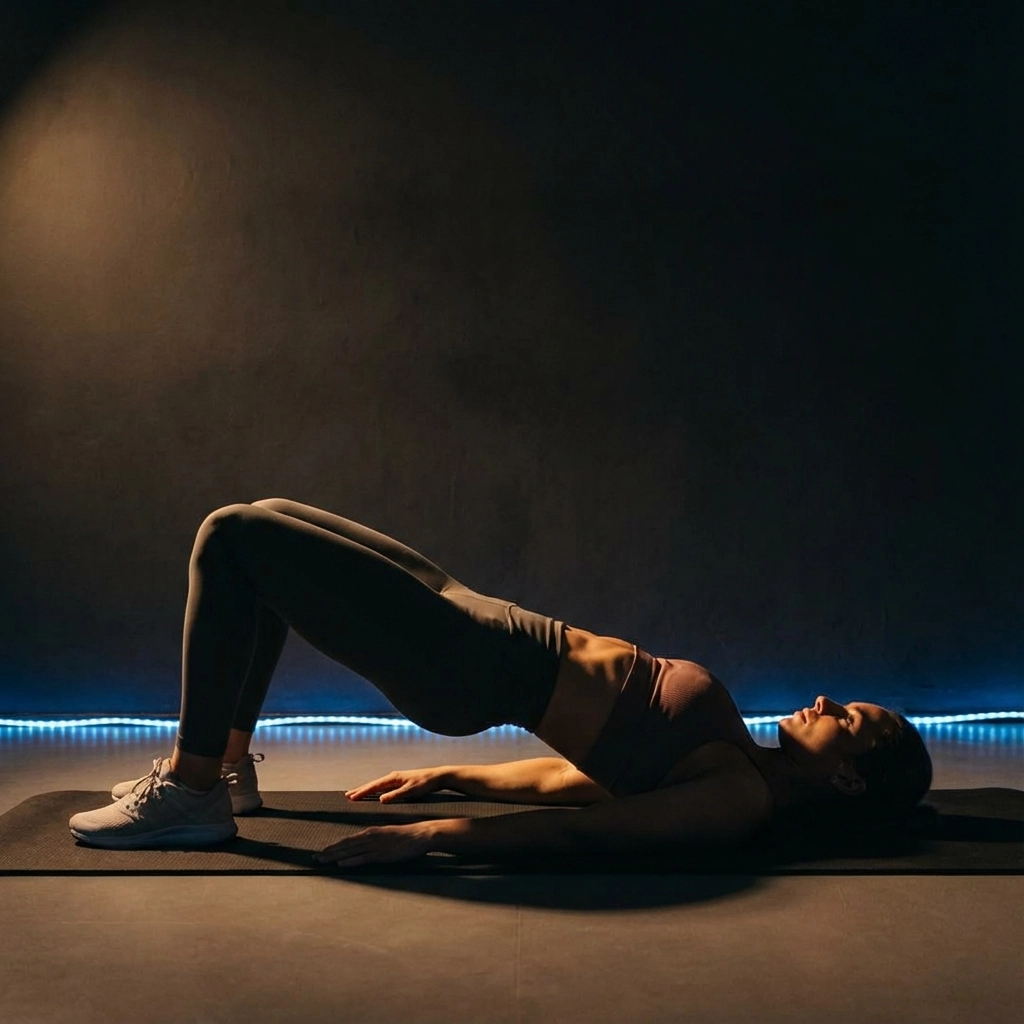
Excessive cardio without adequate resistance training can actually reduce glute muscle mass through catabolic processes. While cardio burns calories during exercise, resistance training increases metabolic rate for extended periods post-workout while building the muscle tissue that creates shape and definition.
The most effective approach combines strategic cardio with focused resistance training. Prioritizing glute lab sessions while incorporating moderate cardio supports both muscle development and body composition goals without sacrificing the shape-building benefits of strength training.
The Swift Results Difference in Winter Training
Swift Results Glute Factory addresses these common mistakes through scientifically-designed programs that prioritize glute development while supporting overall health goals. The systematic approach ensures proper form development, consistent progression, and integrated pelvic floor function.
Professional guidance eliminates guesswork and prevents the trial-and-error approach that wastes valuable winter training time. Expert coaching ensures optimal exercise selection, appropriate progression rates, and personalized modifications that address individual limitations while maximizing results.
Winter Training for Summer Confidence
Avoiding these seven mistakes transforms winter workouts from frustrating time investments into powerful tools for achieving your bikini body vision. Proper form, consistent training, focused programming, and progressive overload create the foundation for visible results that emerge as temperatures rise.
The women who showcase confident, strong physiques each summer began their transformation during the previous winter. Start implementing these corrections now to ensure your glute training near me efforts produce the results you envision for 2026.
Your summer body is indeed in the crock pot right now: make sure you're cooking it correctly through these winter months. The investment in proper training methods today pays dividends in confidence and strength when bikini season arrives.
Comments