

Strong Glutes Help the Pelvic Floor: 7 Mistakes You're Making (and How to Fix Them)
The connection between strong glutes and pelvic floor health represents one of the most misunderstood aspects of functional fitness. These muscle groups work as an integrated system, sharing attachment points at the sacrum and tailbone while maintaining a delicate balance where each must pull its own weight. When this relationship becomes disrupted, the consequences extend far beyond simple weakness: leading to urinary incontinence, pelvic pain, and movement dysfunction.
Research has demonstrated that weak glutes force other muscles in the pelvic area to compensate, creating imbalances that compromise both systems. The gluteus maximus works to extend the tailbone, while the pelvic floor flexes it. These opposing actions require precise coordination, and when one muscle group becomes underworked, the other inevitably becomes overworked.
Understanding the seven most common mistakes in glute and pelvic floor training can transform your approach to building strength and preventing dysfunction in these critical muscle groups.
The Anatomical Foundation
The relationship between your glutes and pelvic floor extends beyond simple proximity. The gluteus medius, positioned at your outer buttock, plays a crucial role in holding the pelvis level during single-leg stance activities like walking and running. When this muscle loses strength, it creates pelvic asymmetry that directs excessive forces to the pelvic floor, which performs poorly when the pelvis rocks from side to side.
Additionally, weak glutes can cause hip flexors to become overactive, pulling the pelvis forward and creating unwanted tension in the pelvic floor muscles. This compensation pattern perpetuates weakness and dysfunction, creating a cycle that becomes increasingly difficult to break without proper intervention.

Mistake #1: Ignoring Posterior Pelvic Floor Tension
Many individuals jump directly into strengthening exercises without addressing existing pelvic floor tension. Posterior pelvic floor tension significantly limits the hip's ability to achieve internal rotation, which is required for full glute length. Without proper glute lengthening capacity, effective loading for strength development becomes impossible.
The Fix: Prioritize decreasing posterior pelvic floor tension through targeted breathing techniques and mobility work. Focus on back body breathing exercises and specific movements designed to improve hip internal rotation before implementing strength-focused training. This foundational approach ensures your muscles can achieve proper length-tension relationships necessary for optimal function.
Mistake #2: Holding Your Breath During Exercises
Breath-holding during pelvic floor exercises ranks among the most common and counterproductive mistakes. This practice creates unnecessary intra-abdominal pressure and prevents proper muscle engagement, working against the very systems you're trying to strengthen.
The Fix: Coordinate breathing patterns with movement execution. During squats, exhale as you stand to train your entire body to work with your pelvic floor rather than against it. This breathing coordination helps establish proper pressure management and ensures both glute and pelvic floor activation occur simultaneously.

Mistake #3: Engaging the Wrong Muscles
Muscle substitution patterns frequently develop when individuals attempt pelvic floor exercises without proper understanding of target muscle activation. This compensatory approach prevents the intended muscles from strengthening properly while reinforcing dysfunctional movement patterns.
The Fix: Develop precise muscle isolation techniques through guided practice and feedback. Learn to differentiate between glute activation and compensation from other muscle groups. Focus on quality over quantity, ensuring proper muscle recruitment before progressing exercise intensity or complexity.
Mistake #4: Neglecting Gluteus Medius Weakness
Gluteus medius weakness creates a cascade of compensatory patterns that directly impact pelvic floor function. When this muscle cannot perform its stabilizing role, deep hip rotators like the obturator internus and piriformis attempt to compensate by working beyond their intended capacity. These overworked muscles become tense and painful, transferring tension to the pelvic floor due to close fascial connections.
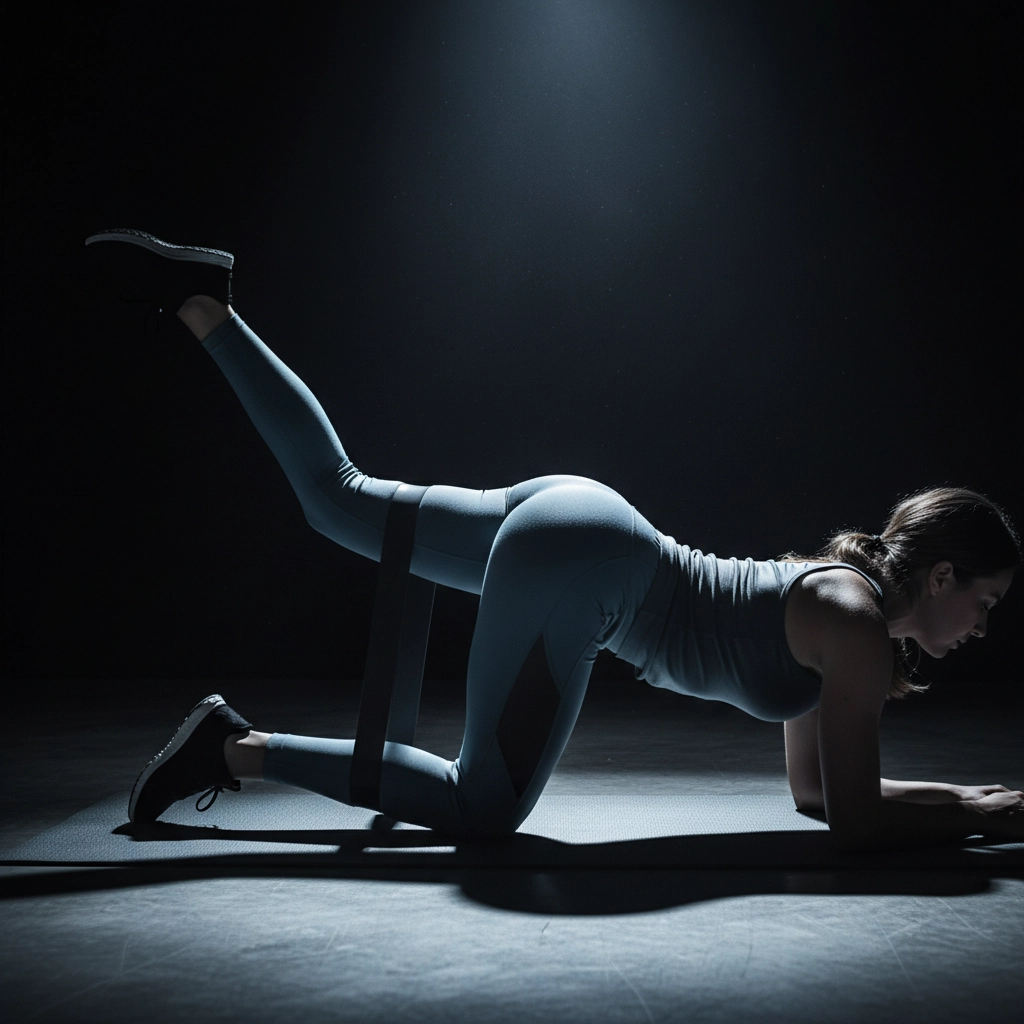
The Fix: Incorporate lateral hip strengthening exercises that specifically target the gluteus medius. Include exercises such as side-lying hip abduction, clamshells, and lateral band walks. Address both strength and endurance components, as the gluteus medius must maintain stability throughout extended periods of activity.

Mistake #5: Creating Imbalance Between Glutes and Pelvic Floor
Training these muscle groups in isolation without considering their interconnected function creates dysfunction rather than strength. Focusing exclusively on either glute strengthening or pelvic floor exercises disrupts the natural balance required for optimal function.
The Fix: Implement exercises that train both systems simultaneously. Glute bridges with gentle pelvic floor engagement exemplify this integrated approach. Progress to more complex movements that challenge coordination between these muscle groups while maintaining proper activation patterns.
Mistake #6: Not Addressing Hip Flexor Overactivity
Hip flexor dominance represents a common compensation pattern that develops when glutes cannot provide adequate support. Overactive hip flexors pull the pelvis into anterior tilt, creating excessive tension in pelvic floor muscles and perpetuating weakness in the posterior chain.
The Fix: Combine glute strengthening with targeted hip flexor stretching and mobility work. Address postural habits that contribute to hip flexor tightness, and ensure proper pelvic alignment during all exercises. This dual approach prevents compensation patterns while building genuine strength.
Mistake #7: Skipping Coordination Training
Many training programs focus on individual muscle strength without addressing the coordination required for functional movement. The glutes and pelvic floor must work together during daily activities, yet most exercise routines fail to challenge this integrated function.
The Fix: Progress from isolated exercises to functional movement patterns that require coordination between glute and pelvic floor systems. Include exercises that challenge balance, rotation, and multi-planar movement while maintaining proper muscle activation. This approach builds strength that transfers to real-world activities.
Building an Effective Training Strategy
Research demonstrates that exercises targeting the glutes, including squats, lunges, and hip thrusts, can improve pelvic floor function in women experiencing urinary incontinence. Strong, properly functioning glutes provide support and stability to the pelvis, reducing the load placed on pelvic floor muscles.
An effective training approach addresses restrictions first, then builds strength in a coordinated manner that respects the intimate relationship between your glutes and pelvic floor. This progression ensures sustainable improvements while preventing the compensation patterns that lead to dysfunction.
Proper assessment should precede any training program to identify individual imbalances and restrictions. Understanding your specific pattern of dysfunction allows for targeted interventions that address root causes rather than symptoms.
Key Implementation Points
Begin with mobility and tension release work before progressing to strengthening exercises. Establish proper breathing patterns and muscle activation before advancing to complex movements. Monitor for compensation patterns throughout training progression, and adjust exercises accordingly when substitution occurs.
Consistency in training approach yields superior results compared to sporadic high-intensity efforts. Regular, properly executed exercises that address both systems simultaneously create lasting improvements in function and strength.
The relationship between strong glutes and pelvic floor health requires a comprehensive understanding of anatomy, function, and training principles. Avoiding these seven common mistakes while implementing corrective strategies creates a foundation for lasting improvement in both strength and function.
Comments