

Pelvic Floor Secrets Revealed: Why Your Glute Workouts Aren't Working (And What Experts Know)
Many women dedicate considerable time to glute workouts, yet experience persistent issues with pelvic floor dysfunction, core weakness, or lackluster results from their training efforts. The disconnect between glute exercise routines and pelvic floor health represents a significant gap in conventional fitness approaches that fitness professionals are only beginning to address comprehensively.
The Hidden Anatomical Connection
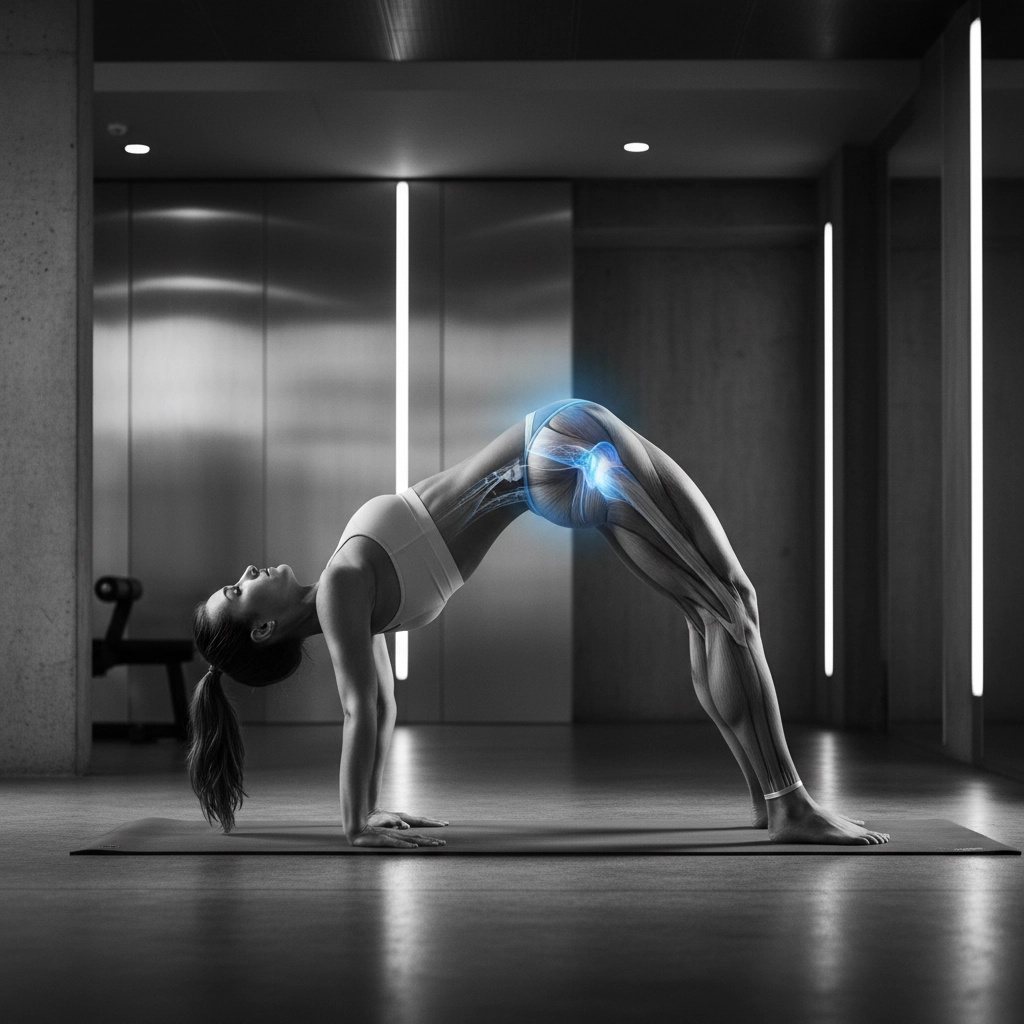
The relationship between glute muscles and pelvic floor function extends far beyond superficial proximity. The pelvic floor muscles form a supportive hammock spanning from the pubic bone to the tailbone, directly interfacing with the sacrum where the gluteal muscles anchor. This anatomical positioning creates a functional interdependence that standard fitness routines frequently overlook.
When glute muscles function optimally, they provide posterior support for the pelvis, allowing the pelvic floor to maintain appropriate tension and positioning. Conversely, weak or inactive glutes force the pelvic floor muscles to compensate, leading to overactivity and dysfunction rather than strength development.
Research demonstrates that this compensation pattern creates a cascade of muscular imbalances throughout the pelvic region. The sacrum and tailbone can shift into suboptimal positions when glutes fail to provide adequate support, fundamentally altering pelvic floor mechanics and compromising both strength and function.
The Glute Activation Problem
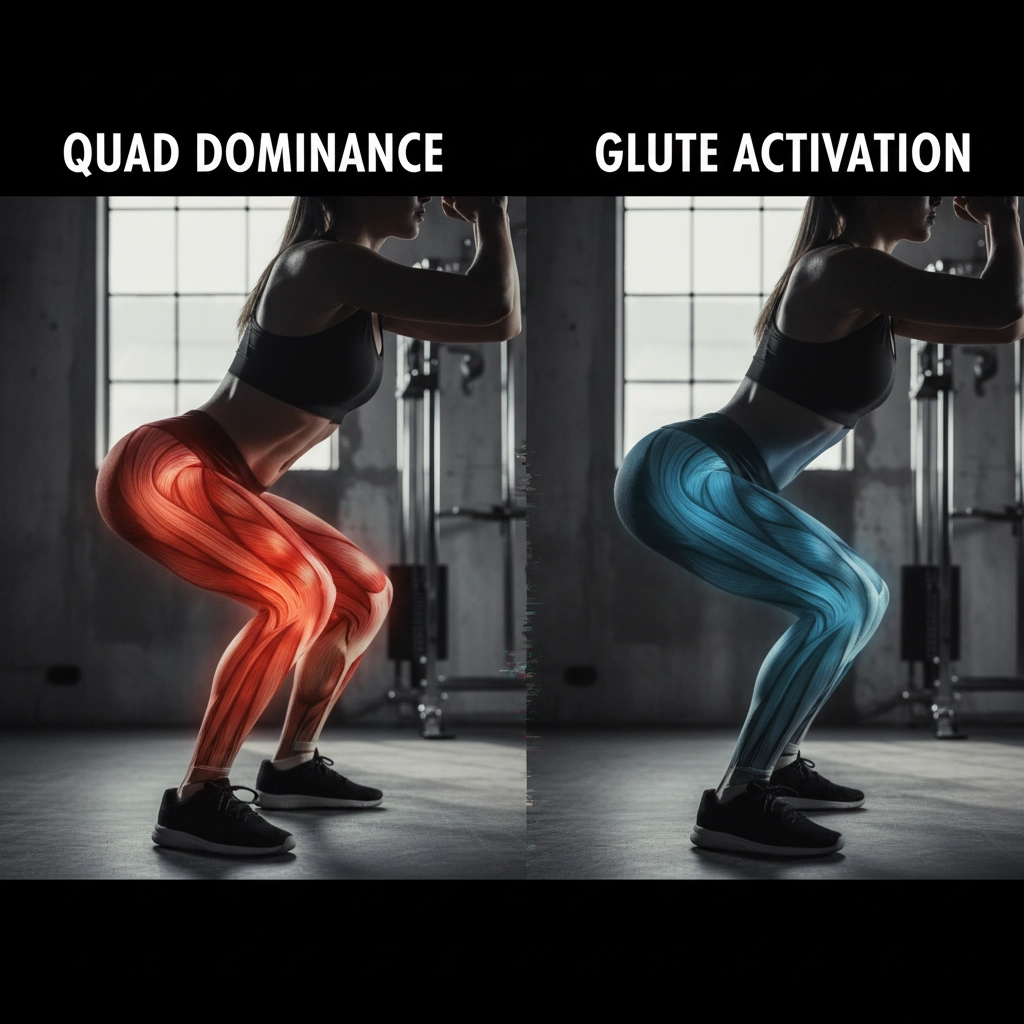
The primary reason glute workouts fail to improve pelvic floor function lies in muscle recruitment patterns. Many individuals exhibit quad dominance during exercises intended to target the glutes, meaning the quadriceps muscles assume primary responsibility for movement while glutes remain largely inactive.
This pattern develops over time through repetitive movement habits, prolonged sitting, and exercise selections that inadvertently reinforce quad dominance. When glutes fail to activate during targeted exercises, they cannot develop the strength necessary to support proper pelvic floor function.
Muscle activation studies reveal that individuals with pelvic floor dysfunction frequently demonstrate altered hip muscle recruitment patterns during functional movements. The glute medius and glute maximus, crucial for pelvic stability, often show delayed activation timing and reduced force production compared to individuals without pelvic floor issues.
Neural Pathway Interference
The mind-muscle connection plays a critical role in effective glute training and pelvic floor integration. Many individuals report inability to feel their glute muscles engaging during exercises, instead experiencing primary activation in their thighs or lower back. This sensory disconnect indicates compromised neural pathways between the brain and glute muscles.
Neurological research indicates that prolonged periods of glute inactivity can lead to neural inhibition, where the nervous system essentially "forgets" how to efficiently activate these muscles. This inhibition affects both voluntary glute contractions and the reflexive activation necessary for pelvic floor support during daily activities.
The restoration of proper neural pathways requires targeted activation techniques that specifically address glute muscle recruitment while minimizing compensatory patterns from surrounding muscle groups.
Research-Backed Solutions
Clinical studies provide clear evidence for integrated approaches to glute and pelvic floor training. A randomized controlled trial published in the International Journal of Urogynecology demonstrated that participants who combined hip muscle strengthening with dedicated pelvic floor exercises achieved significant reductions in urinary incontinence symptoms compared to those who performed pelvic floor exercises alone.
The study's findings underscore the importance of addressing glute strength as part of comprehensive pelvic floor rehabilitation. Participants who strengthened their hip muscles, including the glutes, experienced improved pelvic floor muscle coordination and enhanced functional outcomes.
Additional research has identified specific glute muscles as primary contributors to pelvic stability. The gluteus medius and gluteus maximus work in coordination with deep pelvic floor muscles to maintain optimal pelvic positioning during movement and load-bearing activities.
Effective Exercise Integration
Successful glute training for pelvic floor health requires exercises that promote simultaneous activation of both muscle groups. Bridge variations represent one of the most effective approaches, as they directly target glute muscles while naturally engaging the pelvic floor through posterior pelvic tilt mechanics.
Progressive bridge exercises allow individuals to develop glute activation awareness while strengthening the connection between glute engagement and pelvic floor function. Starting with basic bridges and progressing to single-leg variations builds both strength and neural coordination.
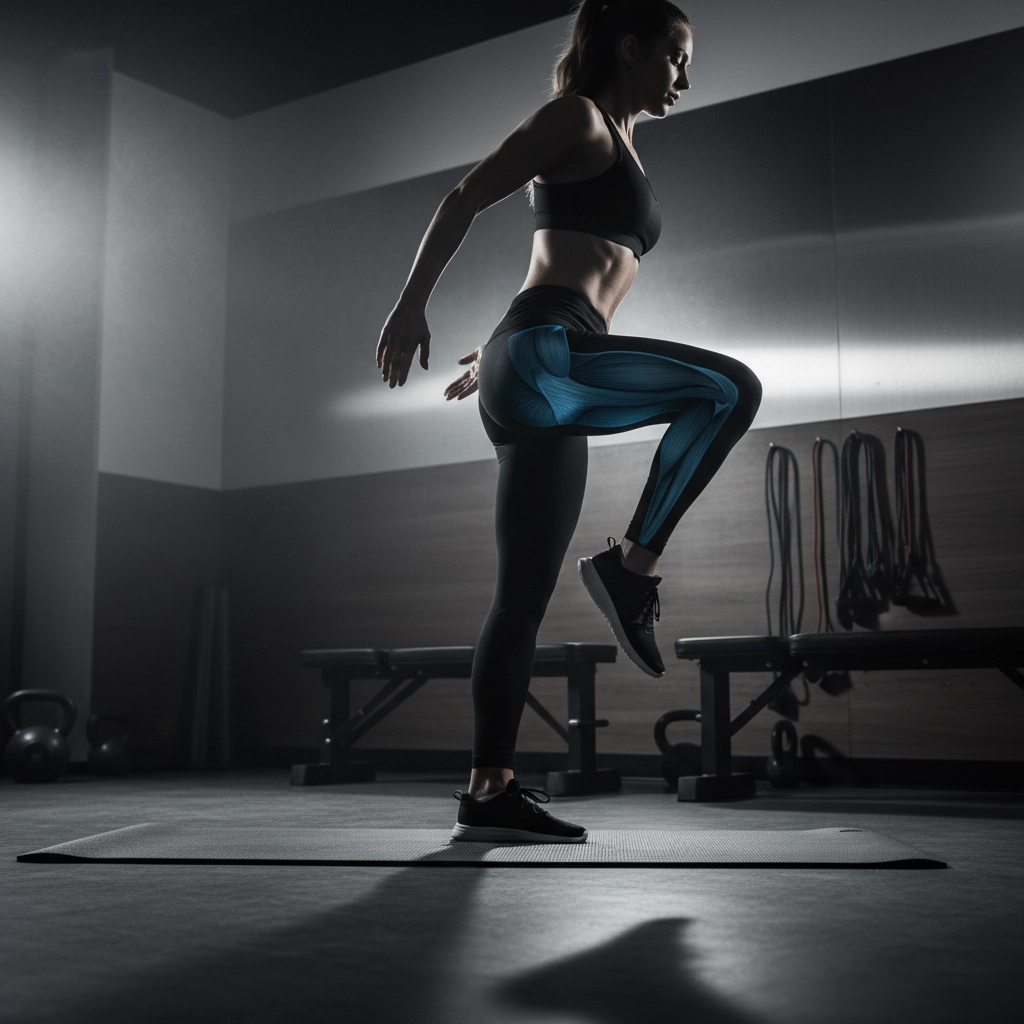
Clamshell exercises specifically target the glute medius, a key stabilizer for pelvic alignment. The standing clamshell variation adds functional relevance by incorporating weight-bearing demands similar to daily activities.
The Breathing Component
Proper breathing mechanics significantly influence both glute activation and pelvic floor function. The diaphragm and pelvic floor work as coordinated components of the core system, with breathing patterns directly affecting pelvic floor positioning and glute muscle recruitment.
During effective glute exercises, the breath should coordinate with muscle activation to optimize both glute engagement and pelvic floor support. Exhaling during the concentric phase of exercises like bridges and squats enhances glute activation while promoting appropriate pelvic floor engagement.
Many individuals breathe inappropriately during glute exercises, using breath-holding patterns that create excessive intra-abdominal pressure and compromise pelvic floor function. Proper breathing technique must be established before progressing to challenging glute exercises.
Exercise Progression Principles
Effective glute training for pelvic floor health follows specific progression principles that prioritize activation before strength development. Initial phases focus on establishing proper muscle recruitment patterns through low-intensity, high-awareness exercises.
Glute activation exercises should precede compound movements to ensure proper muscle firing patterns. Simple exercises like glute bridges with holds allow individuals to develop awareness of glute engagement while minimizing compensatory patterns.
Progressive overload principles apply to integrated glute and pelvic floor training, but advancement should prioritize movement quality and proper muscle recruitment over external resistance or exercise complexity.

Common Training Mistakes
Several training errors consistently interfere with successful glute development and pelvic floor integration. Excessive exercise intensity before establishing proper activation patterns reinforces compensatory movement strategies and perpetuates dysfunction.
Focusing exclusively on compound movements like squats and deadlifts without addressing glute activation can strengthen quad dominance patterns rather than correcting them. Isolation exercises and activation work must precede complex movements in many cases.
Neglecting the eccentric phase of exercises represents another common error. The lowering portion of movements like bridges and squats provides crucial opportunities for strengthening the glute-pelvic floor connection through controlled lengthening contractions.
Professional Assessment Importance
Individual variations in anatomy, movement patterns, and dysfunction require professional assessment to develop effective training strategies. Generic glute workout programs cannot address the specific imbalances and compensatory patterns that contribute to pelvic floor dysfunction.
ISSA-certified fitness professionals with specialized training in pelvic floor and glute integration can identify specific muscle imbalances and movement dysfunctions that interfere with training effectiveness. Professional guidance ensures exercise selections and progressions align with individual needs and limitations.
The complexity of glute-pelvic floor relationships necessitates expertise in both strength training principles and functional anatomy. At Swift Results Glute Factory, our specialized approach addresses these interconnected systems through comprehensive assessment and targeted exercise programming.
Understanding the intricate relationship between glute function and pelvic floor health transforms exercise selection and training outcomes. By addressing both systems simultaneously through properly progressed, activation-focused exercises, individuals can achieve the glute development and pelvic floor function they seek through their training efforts.
Comments