

Glute Training Isn't Just for Looks: The Confidence & Strength Connection
When most people think about glute training, the first thing that comes to mind is aesthetics: a rounder, firmer backside. While there's nothing wrong with wanting to look great, reducing glute training to purely cosmetic benefits misses the bigger picture entirely.
The glutes are the largest and most powerful muscle group in the human body. They serve as the foundation for nearly every movement, from walking up stairs to maintaining proper posture at a desk. For women between 30 and 55, strong glutes offer benefits that extend far beyond appearance: reduced back pain, improved pelvic floor function, better balance, and perhaps most importantly, a profound boost in confidence that comes from feeling genuinely strong.
This post explores the connection between building physical strength in the glutes and the mental confidence and functional health benefits that follow.
The Glutes: Your Body's Powerhouse
The gluteal muscles: comprising the gluteus maximus, gluteus medius, and gluteus minimus: form the foundation of lower body movement and stability. These muscles work together to:
Extend and rotate the hip
Stabilize the pelvis during walking and standing
Support the lower back and spine
Enable explosive movements like climbing, lifting, and running
When the glutes are weak or underactive, other muscle groups are forced to compensate. This compensation pattern often leads to chronic lower back pain, hip discomfort, knee problems, and poor posture. Research has shown that many common aches and pains in women over 30 can be traced back to glute weakness or dysfunction.
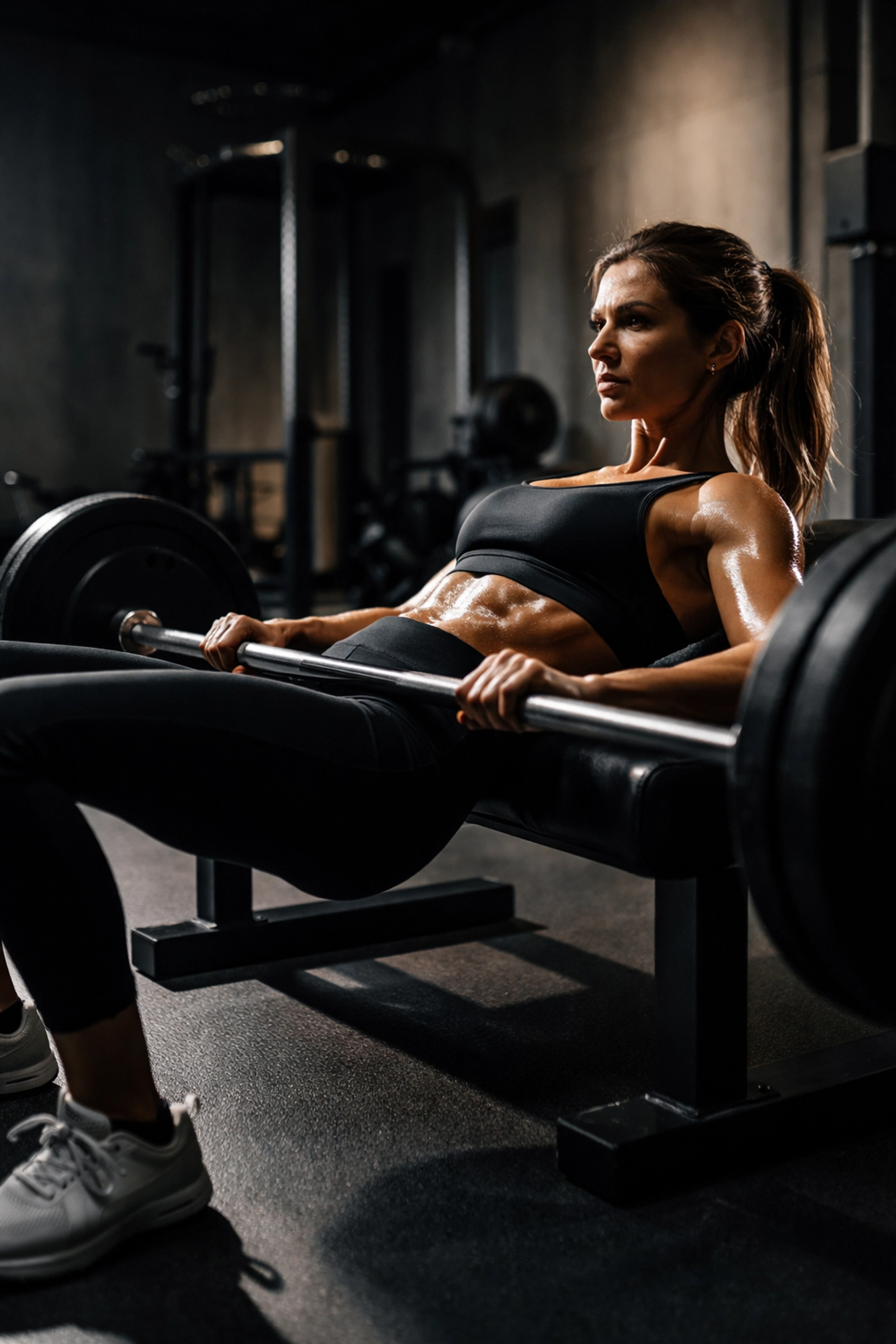
Posture and Back Health: The Hidden Benefits
One of the most significant yet overlooked benefits of strong glutes is their impact on posture and spinal health. The gluteus maximus attaches directly to the pelvis and plays a critical role in maintaining proper pelvic alignment.
When the glutes are weak, the pelvis tends to tilt forward, creating excessive curvature in the lower back (known as anterior pelvic tilt). This misalignment places increased stress on the lumbar spine and can lead to:
Chronic lower back pain
Tight hip flexors
Compressed spinal discs
Poor standing and sitting posture
Strong glutes help correct this imbalance by pulling the pelvis into proper alignment. This reduces strain on the lower back and allows the spine to maintain its natural, healthy curvature. For women who spend hours sitting at desks or dealing with the physical demands of daily life, this postural support is invaluable.
The gluteus medius, located on the outer hip, plays an equally important role in lateral stability. When this muscle is strong, it prevents the pelvis from dropping or shifting side to side during walking, running, or single-leg movements. This stability protects the hips, knees, and ankles from excessive stress and reduces the risk of injury.
For a deeper exploration of how glute training supports overall health, check out Unlocking the Benefits of Training Your Glutes.
The Pelvic Floor and Glutes Connection
For women, especially those over 35, the relationship between the glutes and pelvic floor deserves special attention. The pelvic floor muscles work in coordination with the glutes to support the organs, maintain continence, and provide core stability.
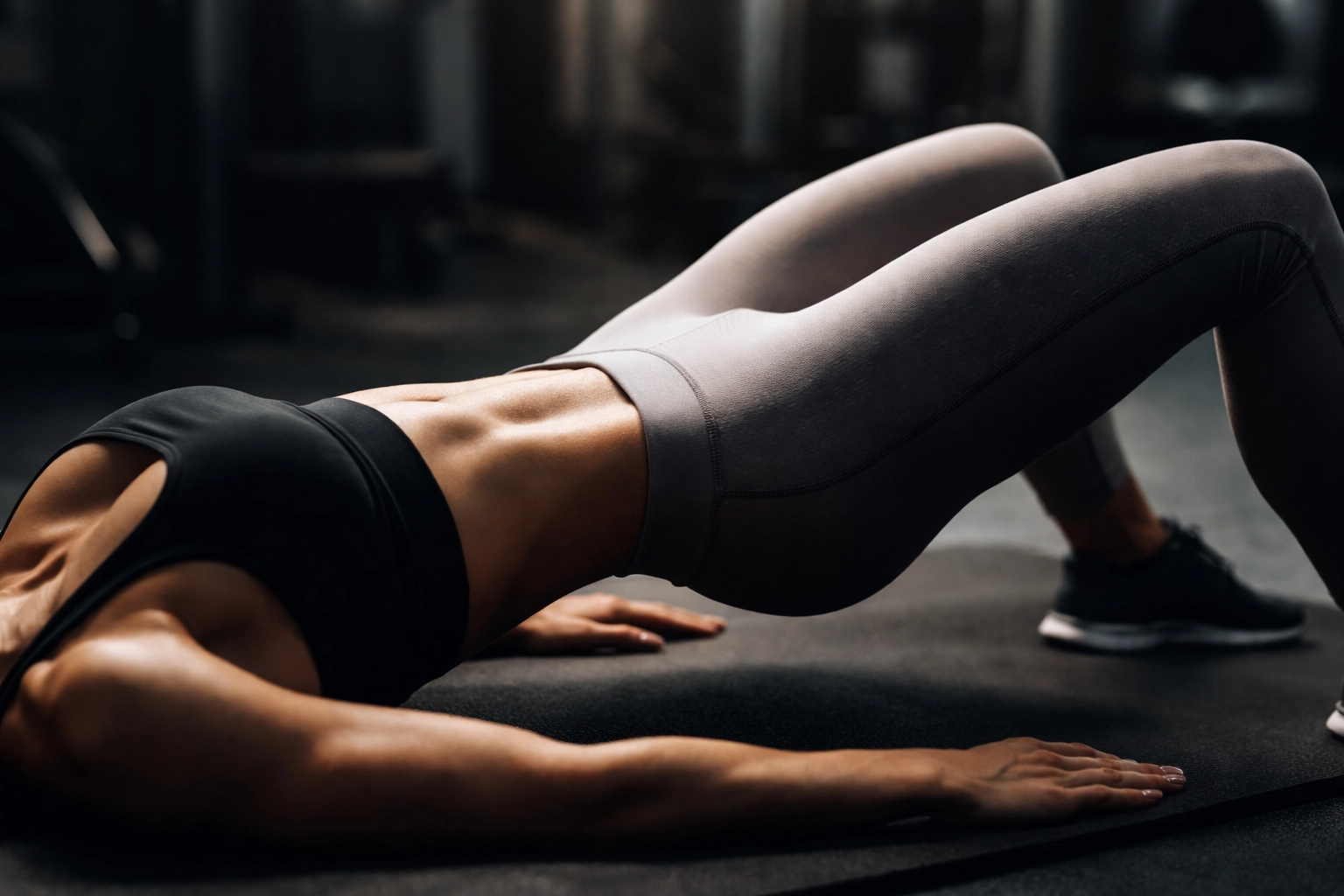
When the glutes are weak or inactive, the pelvic floor often compensates by becoming overworked and tight. This can lead to:
Pelvic floor dysfunction
Urinary incontinence
Core instability
Hip and lower back pain
Conversely, strong, well-functioning glutes support proper pelvic floor activation. The muscles work together as a team rather than placing excessive demand on any single group. This coordinated function is particularly important for women who have experienced pregnancy, childbirth, or hormonal changes associated with perimenopause and menopause.
Proper glute training that emphasizes activation and strength: not just random exercises: can significantly improve pelvic floor function over time. This is one reason why working with qualified professionals who understand these connections produces better results than following generic workout videos.
Learn more about this important relationship in Strong Glutes Help the Pelvic Floor.
The Confidence Connection: Strength Transforms Mindset
Beyond the physical benefits, glute training delivers measurable mental and emotional benefits. The confidence that emerges from dedicated training comes from two distinct sources.
Functional Confidence
The first source is functional confidence: the knowledge that your body can perform when called upon. When climbing stairs no longer causes fatigue, when lifting groceries feels effortless, when playing with children or grandchildren doesn't leave you sore for days, a shift occurs. This functional capability reinforces trust in physical abilities and creates a sense of empowerment that affects all areas of life.
For women between 30 and 55, this functional confidence is particularly meaningful. This is often a time when bodies begin to feel less reliable, when aches and limitations start to accumulate. Reversing that trajectory through intentional strength training creates a powerful psychological shift.

Body Confidence
The second source is body confidence: feeling good about how the body looks and moves. Well-developed glutes create a balanced, sculpted lower body that improves posture and physical presence. Standing taller, moving more gracefully, and feeling strong in everyday clothes all contribute to improved self-image.
Research has shown that improved body awareness and posture translate directly to greater physical self-efficacy and mental well-being. This isn't about chasing unrealistic standards or comparing oneself to social media influencers. It's about the genuine satisfaction that comes from investing in oneself and seeing real results.
The combination of these two confidence sources: functional and aesthetic: makes glute training a cornerstone of comprehensive fitness rather than a purely cosmetic pursuit.
Why Proper Training Matters
Not all glute training produces equal results. Many popular exercises and programs fail to adequately activate the glutes or build real strength. This is particularly true of programs that rely heavily on resistance bands or bodyweight movements without progression.
Effective glute training for women over 30 typically includes:
Progressive resistance: Gradually increasing weight or difficulty over time
Compound movements: Exercises like hip thrusts, squats, and deadlifts that work multiple muscle groups
Targeted isolation work: Exercises that specifically activate the gluteus medius and minimus
Proper form and technique: Ensuring the glutes: not the lower back or hamstrings: are doing the work
Adequate recovery: Allowing muscles time to repair and grow stronger
Working with qualified trainers who specialize in glute development ensures proper programming and technique. This is especially important for women dealing with existing back pain, pelvic floor concerns, or postural issues. A knowledgeable trainer can modify exercises appropriately and progress at a safe, effective pace.
For those searching for glute training near me, finding a facility that specializes in this type of training: rather than a generic gym: often produces dramatically better results.
Making the Investment in Yourself
Building strong glutes is an investment that pays dividends across every area of life. The physical benefits: better posture, reduced back pain, improved pelvic floor function, and enhanced athletic performance: create a foundation for an active, pain-free lifestyle.
The mental benefits: increased confidence, improved body image, and the satisfaction of genuine self-improvement: enhance quality of life in ways that are difficult to quantify but impossible to ignore.
For women between 30 and 55, this investment becomes increasingly important. Muscle mass naturally declines with age, and the glutes are often among the first muscle groups to weaken from prolonged sitting and sedentary lifestyles. Reversing this trend requires intentional, progressive training.
The good news is that it's never too late to start, and the glutes respond remarkably well to proper training at any age. Women in their 40s and 50s routinely build significant strength and see dramatic improvements in both function and appearance.
Key Takeaways
The glutes are the body's largest muscle group and serve as the foundation for posture, movement, and stability
Strong glutes reduce lower back pain by supporting proper pelvic alignment
Glute strength supports pelvic floor function: particularly important for women over 35
Confidence emerges from both functional capability and physical transformation
Effective training requires progressive resistance, proper form, and qualified guidance
For those ready to experience these benefits firsthand, specialized facilities like a bikini body lab offer programming designed specifically for women seeking real, lasting results( not just another generic workout.)
Comments