

Can You Really Build Your Dream Bikini Body After 40? Here's the Truth
The fitness industry often perpetuates the myth that peak physical condition belongs exclusively to the young. This misconception leaves many women over 40 believing their opportunity for transformation has passed. Research and real-world results tell a different story entirely.
Women in their 40s actually experience some of the most dramatic and successful body transformations. The combination of life experience, financial resources, and available time creates ideal conditions for achieving the physique many have always desired. Understanding the science behind these changes reveals why this decade presents unique advantages rather than insurmountable obstacles.
The Surprising Advantages of Transforming After 40
Multiple factors converge in your 40s to create optimal transformation conditions. During your 20s, limited budgets, social pressures, and lifestyle inconsistencies often prevented sustained fitness progress. Your 30s typically brought career demands and young children that consumed available time and energy.
The 40s decade offers a different landscape entirely. Financial stability allows for quality nutrition choices, gym memberships, and potentially personal training services. Children often require less constant supervision, freeing up dedicated workout time. Most importantly, life experience provides the maturity to commit to sustainable changes rather than pursuing quick fixes or extreme approaches.

Research demonstrates that women in their 40s can achieve superior physiques compared to average individuals in their 20s. This outcome results from consistent application of proven methods rather than relying on youth alone. The key lies in understanding how the body changes and adapting training and nutrition strategies accordingly.
Physiological Changes That Require Strategic Approaches
Hormonal fluctuations represent the most significant change affecting body composition after 40. Estrogen levels begin declining, which can impact muscle mass retention and fat distribution patterns. Testosterone levels also decrease, though less dramatically than in men, affecting strength and muscle-building capacity.
Metabolism undergoes measurable changes, typically slowing by approximately 5% per decade after age 30. This reduction stems from decreased muscle mass, lower activity levels, and hormonal shifts. However, these changes can be largely counteracted through appropriate training and nutrition interventions.
Stress sensitivity increases significantly during this life stage. The body produces elevated cortisol responses to various stressors, including excessive exercise, caloric restriction, and life pressures. High cortisol levels promote abdominal fat storage and muscle breakdown, making stress management crucial for success.
Recovery requirements also change with age. Muscles, joints, and connective tissues require more time between intense training sessions. Sleep quality often diminishes, further impacting recovery processes. These factors necessitate smarter programming rather than abandoning ambitious goals.
Evidence-Based Training Strategies for Optimal Results
Weight training emerges as the most effective exercise modality for women over 40. Resistance training stimulates muscle protein synthesis, maintains bone density, and creates favorable hormonal responses. Research consistently shows superior body composition changes compared to cardio-only approaches.
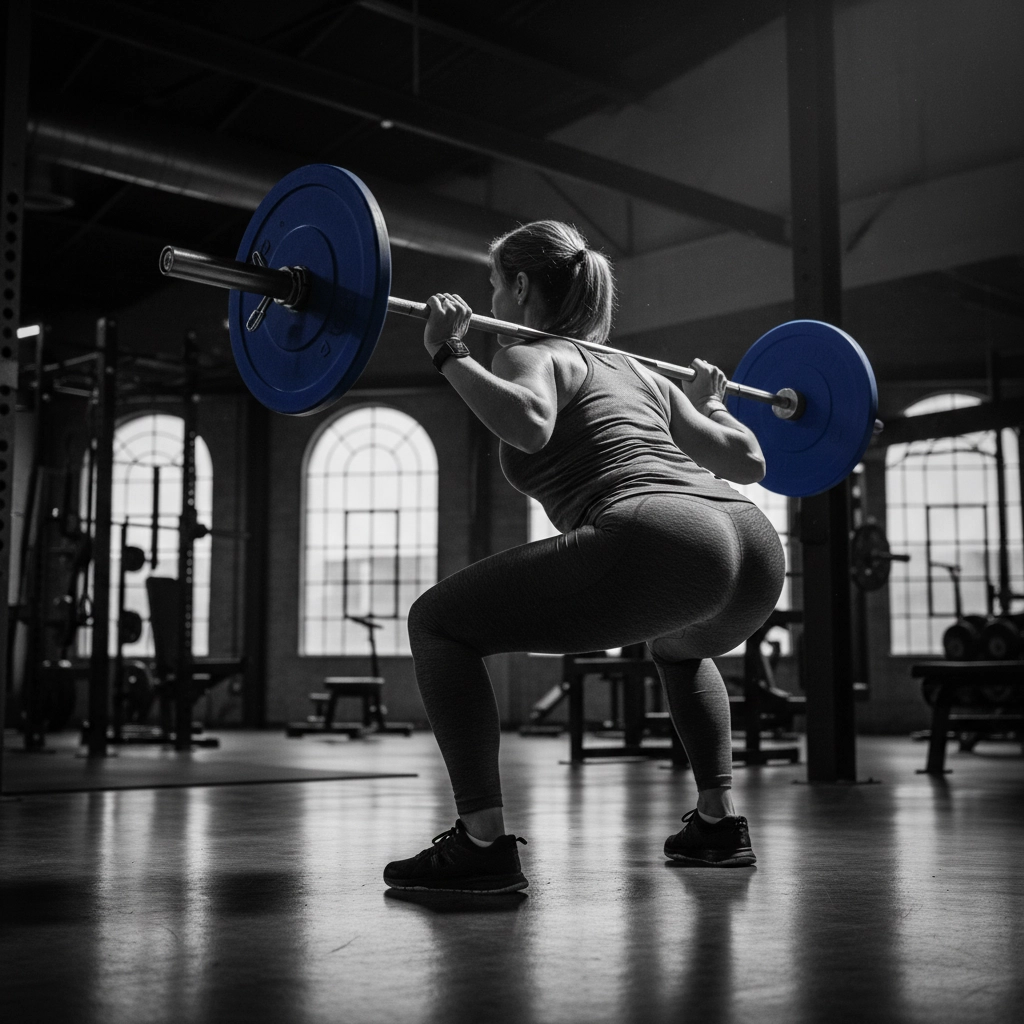
A structured training split targeting specific muscle groups 3-5 times per week produces optimal results. This approach allows adequate recovery between sessions while providing sufficient stimulus for adaptation. Training sessions should remain focused and intense, typically lasting 45 minutes or less.
Compound movements form the foundation of effective programs. Exercises like squats, deadlifts, rows, and presses engage multiple muscle groups simultaneously, maximizing training efficiency. These movements also translate to improved functional strength for daily activities.
Moderate-intensity cardio complements strength training without creating excessive stress. Walking, cycling, or swimming for 20-30 minutes provides cardiovascular benefits while supporting recovery. High-intensity interval training can be incorporated sparingly, as excessive amounts may elevate cortisol levels counterproductively.
Progressive overload remains essential regardless of age. Gradually increasing weight, repetitions, or training volume ensures continued adaptation and prevents plateaus. Proper form takes precedence over heavy loads, as injury risk increases with age.
Nutritional Principles That Support Transformation Goals
Extreme dietary approaches often backfire for women over 40 due to increased stress sensitivity. Very low-calorie diets, carb elimination, and other restrictive methods can elevate cortisol and slow metabolism. Sustainable, moderate approaches produce superior long-term outcomes.
Adequate protein intake becomes increasingly important with age. Research suggests consuming 1.2-1.6 grams per kilogram of body weight daily to support muscle maintenance and growth. Distributing protein intake across multiple meals optimizes muscle protein synthesis throughout the day.

Healthy fats play crucial roles in hormone production and satiation. Sources like avocados, nuts, olive oil, and fatty fish should comprise 25-35% of total calories. These fats support optimal hormone levels while providing satisfaction that prevents overeating.
Complex carbohydrates fuel training sessions and support recovery processes. Timing carbohydrate intake around workouts maximizes performance and adaptation. Whole grains, fruits, and vegetables provide sustained energy while delivering essential micronutrients.
Hydration requirements increase with training volume and age-related changes in kidney function. Consuming adequate water supports all metabolic processes, including fat oxidation and muscle building. Electrolyte balance becomes more critical, especially during intense training periods.
Common Mistakes That Sabotage Progress
Many women over 40 fall into predictable traps that prevent success. Excessive cardio represents the most common error, often stemming from outdated beliefs about fat loss. While cardio burns calories during activity, strength training creates lasting metabolic increases through muscle development.
Severe caloric restriction triggers metabolic adaptations that slow progress and increase muscle loss. The body perceives extreme dieting as starvation, responding by conserving energy and breaking down muscle tissue for fuel. Moderate deficits preserve muscle while promoting fat loss.
Inconsistent training schedules undermine adaptation processes. Sporadic gym attendance prevents progressive overload and muscle memory development. Regular, scheduled sessions produce exponentially better results than occasional intense efforts.
Neglecting recovery represents another critical oversight. Inadequate sleep, excessive stress, and insufficient rest between sessions impair results and increase injury risk. Recovery should be planned and prioritized equally with training sessions.
Real-World Success Stories Validate the Science
Documented cases demonstrate the reality of transformation after 40. Women like Kim, who achieved bikini competition success at 53, exemplify what becomes possible with proper approaches. These individuals typically emphasize consistency over perfection and sustainable habits over extreme measures.
Healthcare professionals, working mothers, and career women regularly achieve remarkable transformations during their 40s and beyond. Their success stems from applying evidence-based methods consistently rather than relying on willpower alone. Many report feeling stronger and more confident than ever before.

These transformations often extend beyond physical appearance. Improved strength, energy levels, and self-confidence create positive impacts across all life areas. The discipline required for physical transformation frequently transfers to other aspects of personal and professional development.
Creating Your Personalized Action Plan
Success requires developing a realistic, sustainable plan aligned with individual circumstances and preferences. Begin by establishing 2-3 weekly strength training sessions focusing on compound movements. Add moderate cardio as time and recovery allow.
Nutrition planning should emphasize whole foods while maintaining flexibility for social situations and preferences. Gradual changes prove more sustainable than dramatic overhauls. Focus on adding beneficial foods rather than solely restricting problematic ones.
Sleep optimization and stress management deserve equal attention to training and nutrition. Establishing consistent sleep schedules, practicing stress-reduction techniques, and scheduling recovery time support all other efforts.
Regular progress monitoring through measurements, photos, and strength benchmarks provides objective feedback. Scale weight often fluctuates due to hormonal changes, making multiple assessment methods more accurate.
The evidence clearly supports the possibility of building your dream bikini body after 40. Understanding the physiological changes and implementing appropriate strategies creates conditions for remarkable transformations. Your 40s may indeed provide the best opportunity for achieving the physique you've always desired.
Comments